AI-Chain
AI

AI

20 articles

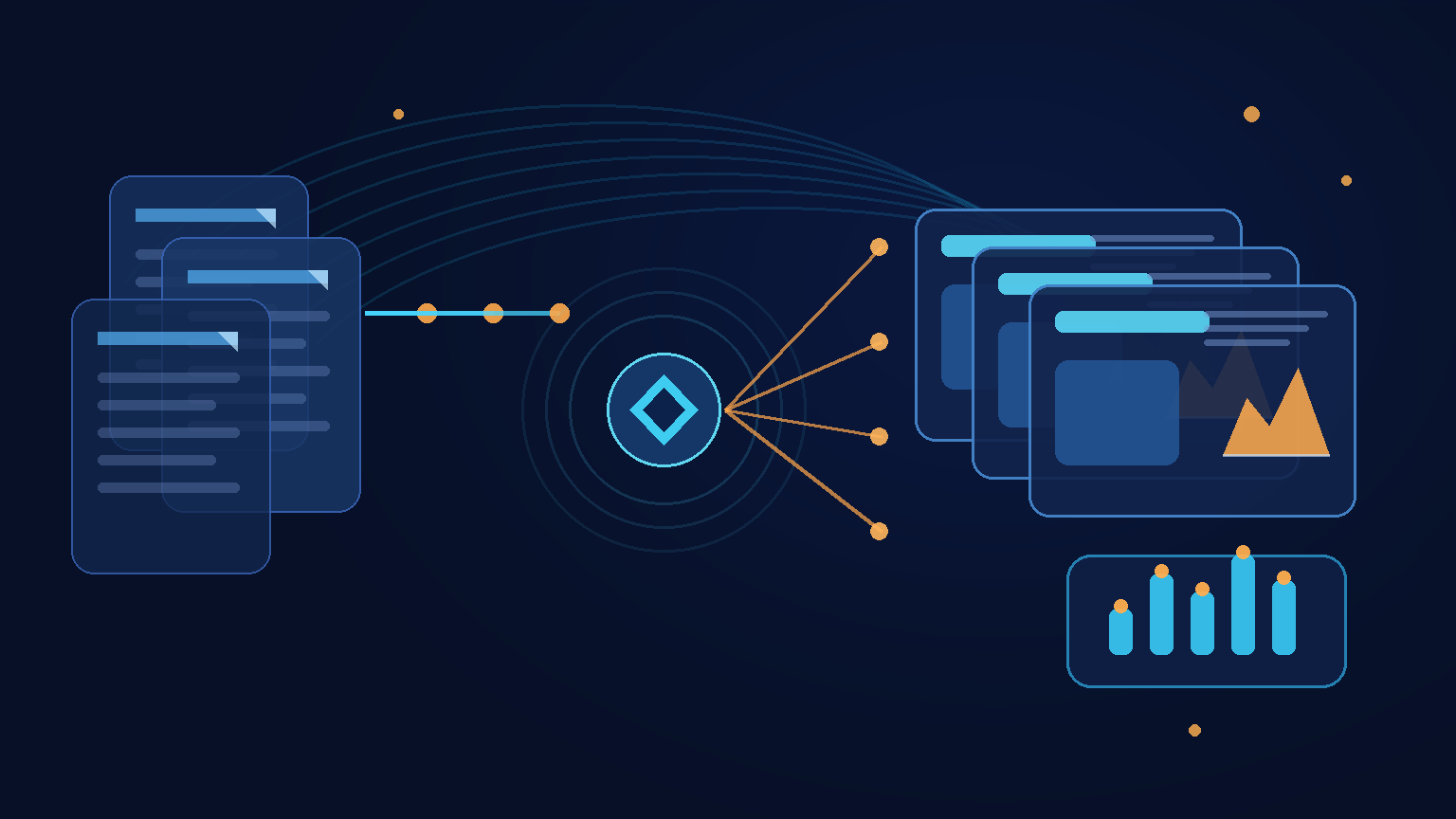
Don’t Treat MCP Servers as Magic: Building a Controlled Tool Integration Layer with the Official Servers Repository

Don’t Treat MCP Servers as Magic: Building a Controlled Tool Integration Layer with the Official Servers Repository

The official Model Context Protocol Servers Repository provides reference implementations for Filesystem, Git, Memory, Fetch, and Time. This article explains how to use it to understand a tool integration layer, while identifying the permission, isolation, audit, and data-governance risks of production adoption.
Read More
Turn Python Functions into AI Capabilities: How FastMCP Shortens the Path to an MCP Server

Turn Python Functions into AI Capabilities: How FastMCP Shortens the Path to an MCP Server

MCP is not only about letting a model call tools. Its larger value is connecting tools, data, and reusable interaction interfaces through one protocol. FastMCP uses Python decorators, type annotations, and ready-made server and client APIs so teams can start with a small verifiable MCP server, then add transport, deployment, authorization, and governance as the real requirements become clear.
Read More
From a Single Python Process to an AI Cluster: How Ray Hides the Cost of Scaling

From a Single Python Process to an AI Cluster: How Ray Hides the Cost of Scaling

When machine learning workloads move beyond one machine, the hard part is not simply adding more CPUs. It is redesigning the boundaries between tasks, state, data, and services. Ray provides a Python native distributed execution model built around tasks, actors, and objects, then adds AI libraries such as Data, Train, Tune, RLlib, and Serve. This article uses a verifiable getting started example to explain where Ray fits and when it should not be introduced too early.
Read More
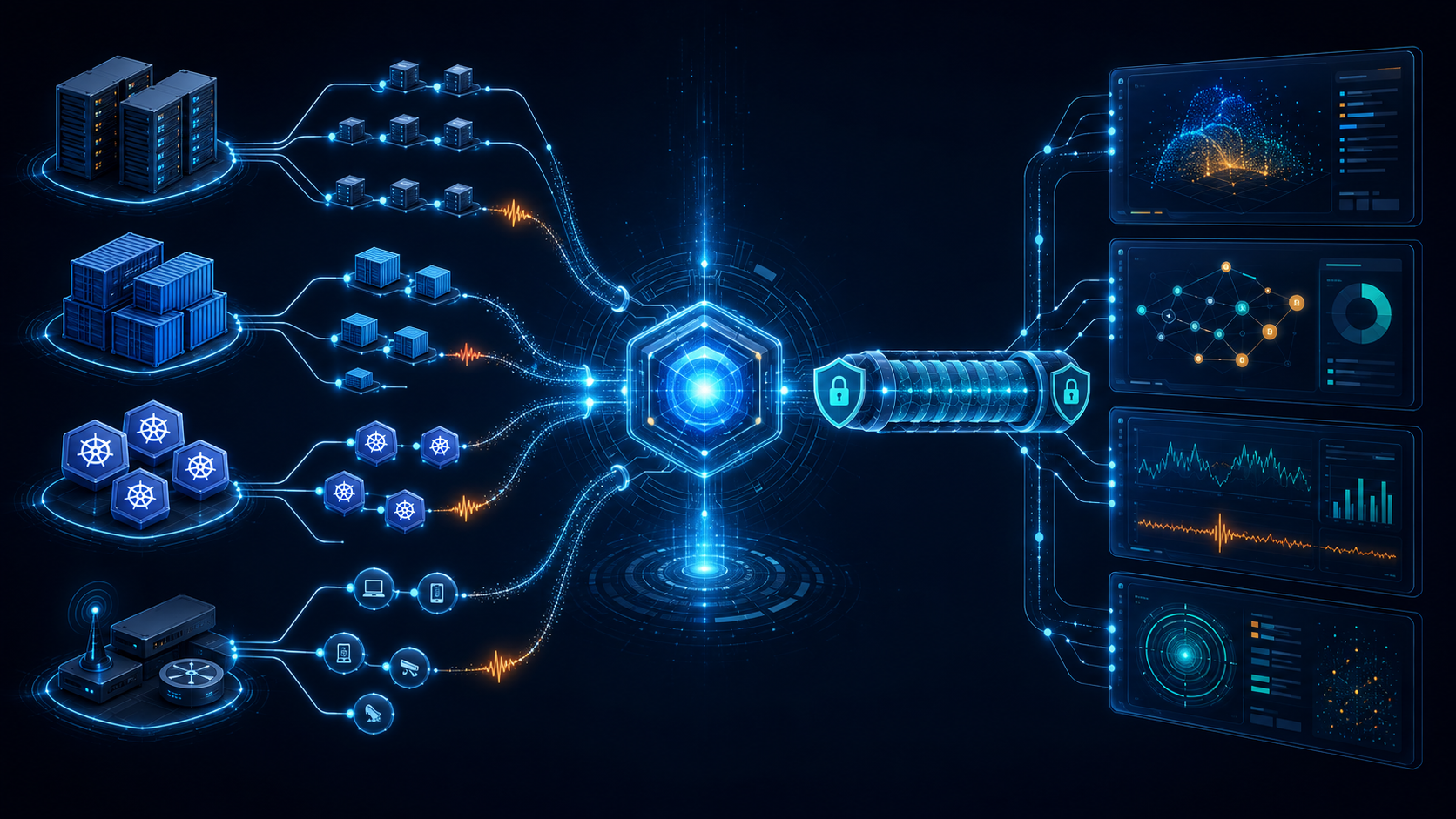
Netdata: Turning Per-Second Observability, Edge ML, and MCP into a Diagnosable AI Observability Platform

Netdata: Turning Per-Second Observability, Edge ML, and MCP into a Diagnosable AI Observability Platform

Netdata is more than another monitoring dashboard: it combines per-second metrics, edge anomaly detection, distributed Parent-Child architecture, and MCP troubleshooting into one operational path. This article explains the Agent data flow, the AI analysis loop, and the network capabilities in v2.11.0, then shows where this 80K-star open-source project fits and what to watch during adoption.
Read More
Stop Treating an Agent as Just a Prompt: How Microsoft Agent Framework Moves Multi-Agent Workflows Toward Production

Stop Treating an Agent as Just a Prompt: How Microsoft Agent Framework Moves Multi-Agent Workflows Toward Production

Microsoft Agent Framework is worth watching not because it wraps another chat API, but because it places agents, workflows, state, human approval, observability, and deployment within one engineering model. This article follows the official documentation and a runnable Python quickstart to explain where it fits, how to begin, and why teams should not start by piling on multiple agents.
Read More
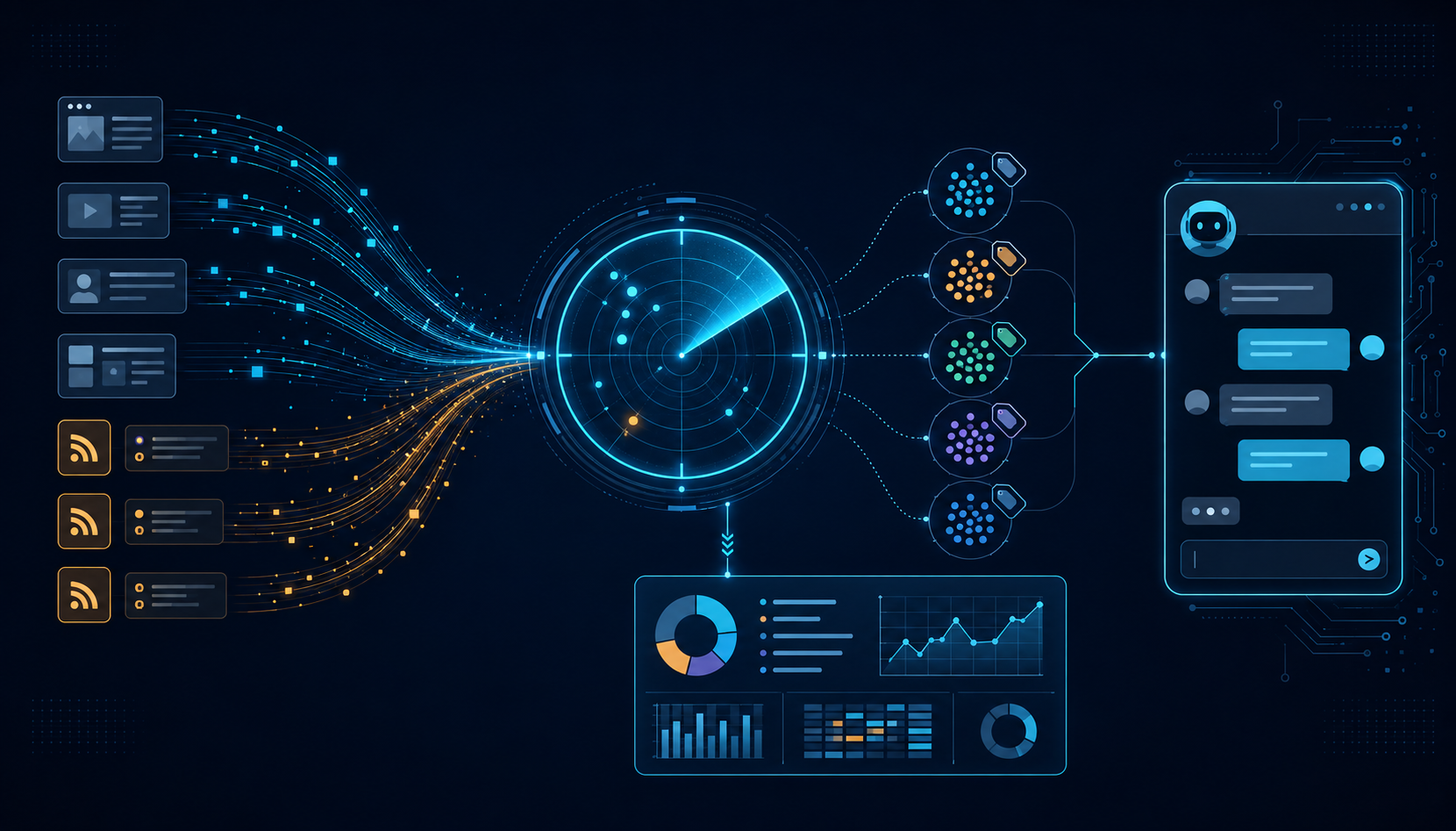
Let AI Understand the Whole Codebase First: The Knowledge-Graph Approach of codebase-memory-mcp

Let AI Understand the Whole Codebase First: The Knowledge-Graph Approach of codebase-memory-mcp

When an AI coding agent relies on file-by-file search to understand a large repository, it can miss cross-file relationships and consume excessive context. codebase-memory-mcp combines tree-sitter, Hybrid LSP, and a local SQLite knowledge graph, then exposes architecture, call-path, and impact-analysis queries through MCP. This article explains its design, installation, benchmarks, security boundaries, and best-fit use cases.
Read More