AI-Chain

Latest Articles

Explore the Latest Trends and Practical Tips in AI Applications

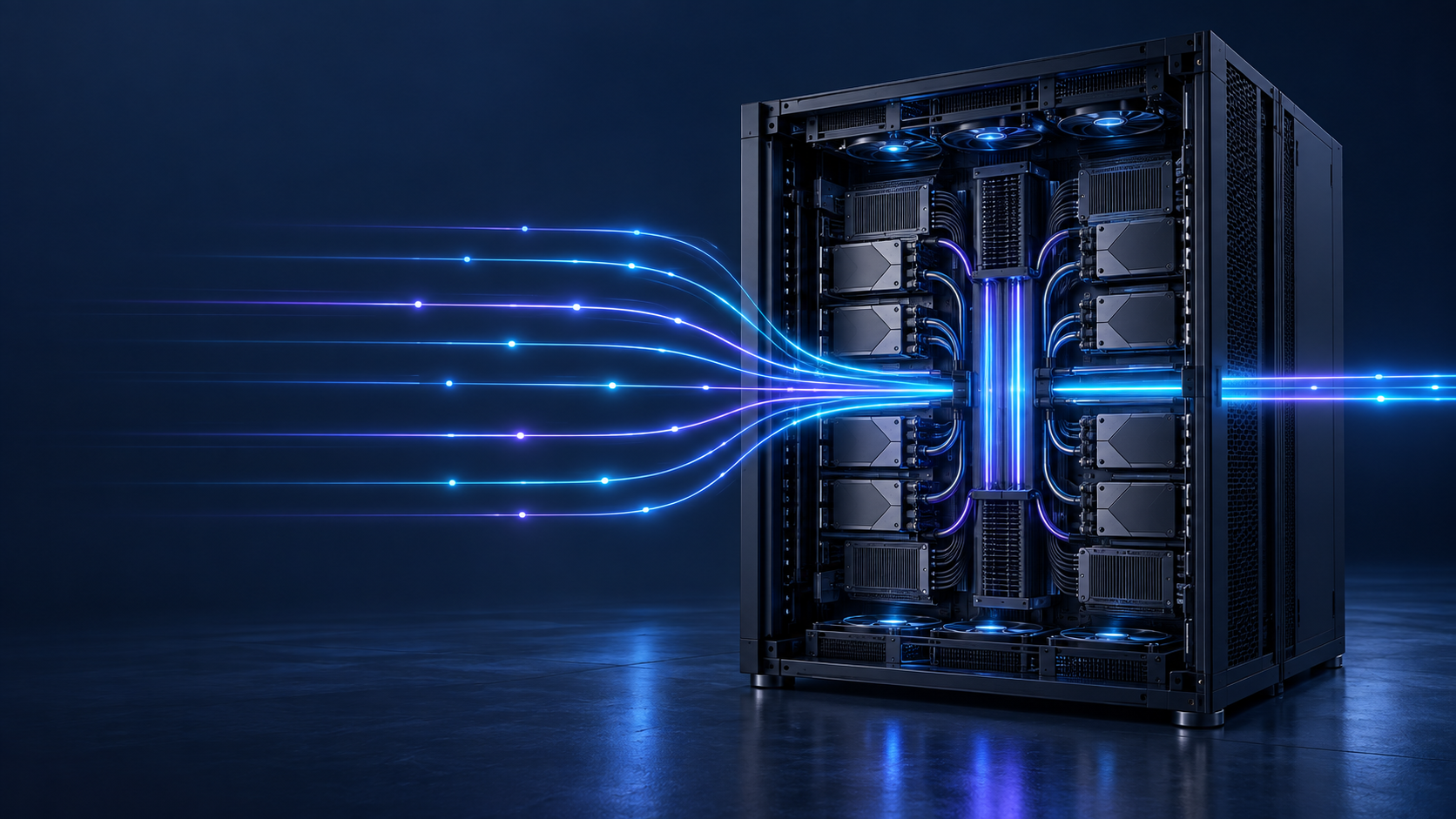
When LLM Serving Meets Real Traffic: How SGLang Makes Inference Performance an Engineering Practice

When LLM Serving Meets Real Traffic: How SGLang Makes Inference Performance an Engineering Practice

Connecting an open-source model to an API is only the first step. SGLang focuses on high-performance serving for LLMs and multimodal models, offering an OpenAI-compatible interface, native generation APIs, and multiple deployment paths. This article examines the problems it addresses, how to get started, the boundaries of performance engineering, and which teams should consider trying it first.

Read More
Paperclip: Organizing Multiple AI Agents into a Governable Autonomous Team

Paperclip: Organizing Multiple AI Agents into a Governable Autonomous Team

Paperclip is an open source control plane that places AI agents from different runtimes inside one organization, task, and governance model. This article examines its goals, org charts, heartbeats, budgets, approvals, and audit logs, and explains how it moves multi agent automation from scattered sessions toward an observable, recoverable work system with clear boundaries.
Read More
What Is AutoGen Still Good For After Maintenance Mode? A Practical Tour from Core and AgentChat to MCP

What Is AutoGen Still Good For After Maintenance Mode? A Practical Tour from Core and AgentChat to MCP

AutoGen separates multi-agent systems into Core, AgentChat, and Extensions, with AgentTool, MCP Workbench, and AutoGen Studio supporting orchestration from prototype to tool integration. This article examines the architecture, permissions, observability, maintenance-mode trade-offs, and adoption and migration strategies for existing and new projects.
Read More
Turning Google Workspace into a Composable Agent Tool: An In-Depth Look at gws’s Discovery-Driven CLI

Turning Google Workspace into a Composable Agent Tool: An In-Depth Look at gws’s Discovery-Driven CLI

googleworkspace/cli builds gws in Rust and uses Google Discovery Service to generate a dynamic command surface. With structured JSON, schema discovery, pagination, OAuth, Agent Skills, and helper commands, it gives humans, shells, and AI Agents one composable interface for Workspace automation. This article explains its architecture, benefits, security boundaries, and best use cases.
Read More
Turn Python Functions into AI Capabilities: How FastMCP Shortens the Path to an MCP Server

Turn Python Functions into AI Capabilities: How FastMCP Shortens the Path to an MCP Server

MCP is not only about letting a model call tools. Its larger value is connecting tools, data, and reusable interaction interfaces through one protocol. FastMCP uses Python decorators, type annotations, and ready-made server and client APIs so teams can start with a small verifiable MCP server, then add transport, deployment, authorization, and governance as the real requirements become clear.
Read More