The official Model Context Protocol Servers Repository provides reference implementations for Filesystem, Git, Memory, Fetch, and Time. This article explains how to use it to understand a tool integration layer, while identifying the permission, isolation, audit, and data-governance risks of production adoption.
AionUi brings a built-in AI Agent, Claude Code, Codex, Hermes Agent, and other tools into one cross-platform interface, extending them with multi-agent collaboration, MCP, WebUI, and scheduled tasks. This article verifies its positioning, architectural clues, and practical use cases against the GitHub source and README.
Understand Anything is an open-source Claude Code Plugin that uses a multi-agent pipeline to analyze a codebase and organize files, functions, classes, and dependencies into an interactive knowledge graph. It adds guided tours, semantic search, diff impact analysis, and codebase Q&A to help developers build a faster, more reliable mental model of large projects.
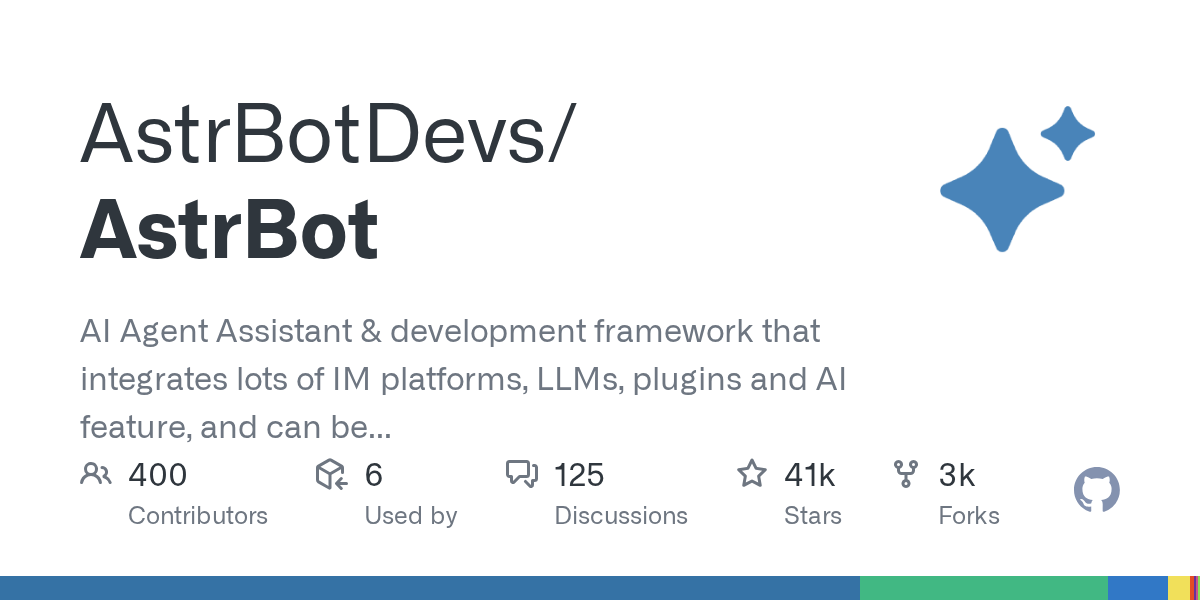
AstrBot is an open-source, Python-based multi-platform Agent chatbot and development framework. It brings large language models, multimodality, MCP, knowledge bases, plugins, WebUI, and multiple instant-messaging platforms into one deployable environment. This article examines its architecture, deployment options, security boundaries, and fit for personal assistants, customer service, and team knowledge portals.
Connecting an open-source model to an API is only the first step. SGLang focuses on high-performance serving for LLMs and multimodal models, offering an OpenAI-compatible interface, native generation APIs, and multiple deployment paths. This article examines the problems it addresses, how to get started, the boundaries of performance engineering, and which teams should consider trying it first.
MCP is not only about letting a model call tools. Its larger value is connecting tools, data, and reusable interaction interfaces through one protocol. FastMCP uses Python decorators, type annotations, and ready-made server and client APIs so teams can start with a small verifiable MCP server, then add transport, deployment, authorization, and governance as the real requirements become clear.
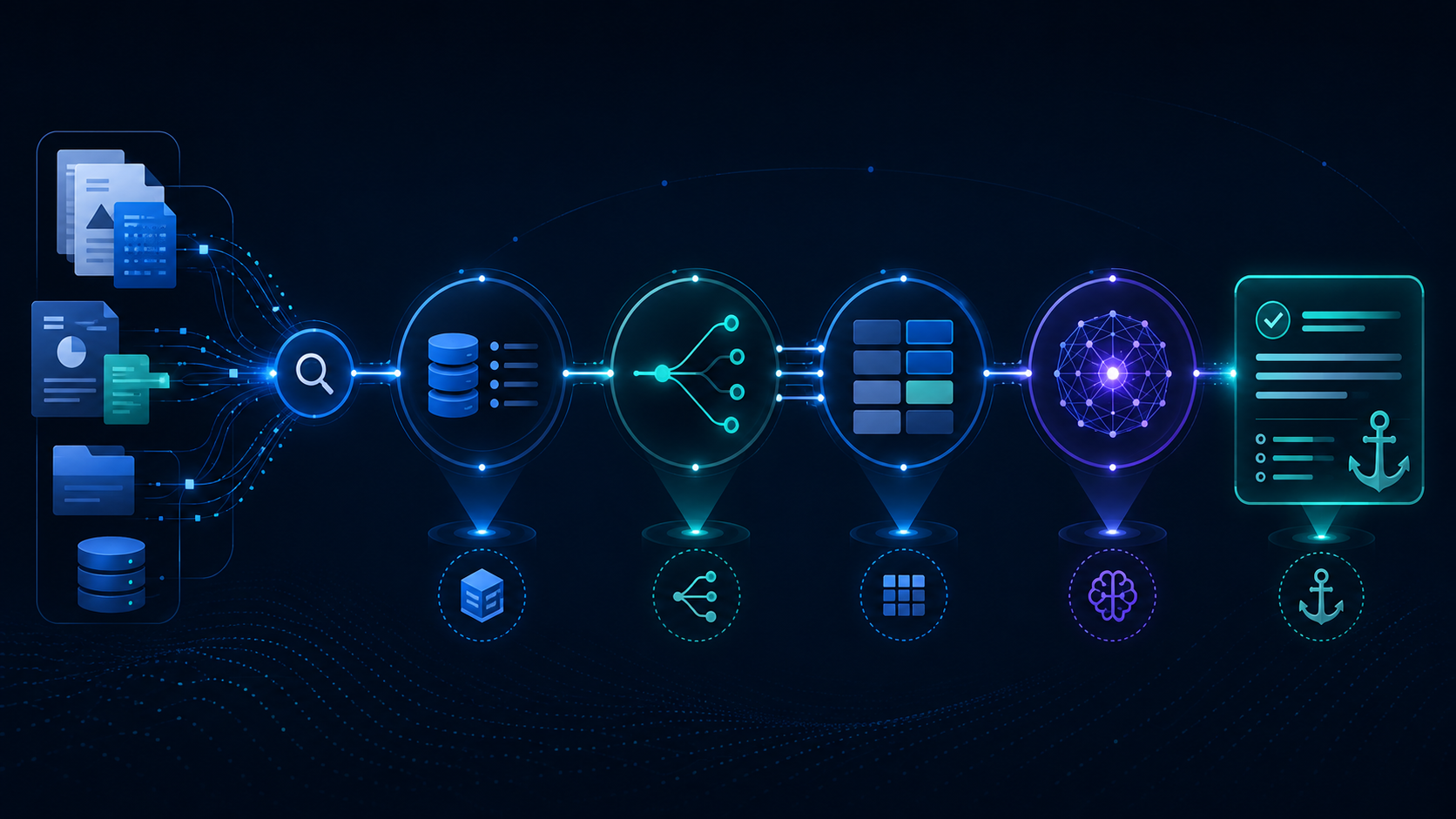
Most RAG systems split documents into fixed chunks and use vector similarity to retrieve context. PageIndex uses a hierarchical document tree and LLM reasoning instead. This article explains its architecture, quickstart, costs, and limits, and shows why it is not a universal replacement for vector databases.
When machine learning workloads move beyond one machine, the hard part is not simply adding more CPUs. It is redesigning the boundaries between tasks, state, data, and services. Ray provides a Python native distributed execution model built around tasks, actors, and objects, then adds AI libraries such as Data, Train, Tune, RLlib, and Serve. This article uses a verifiable getting started example to explain where Ray fits and when it should not be introduced too early.
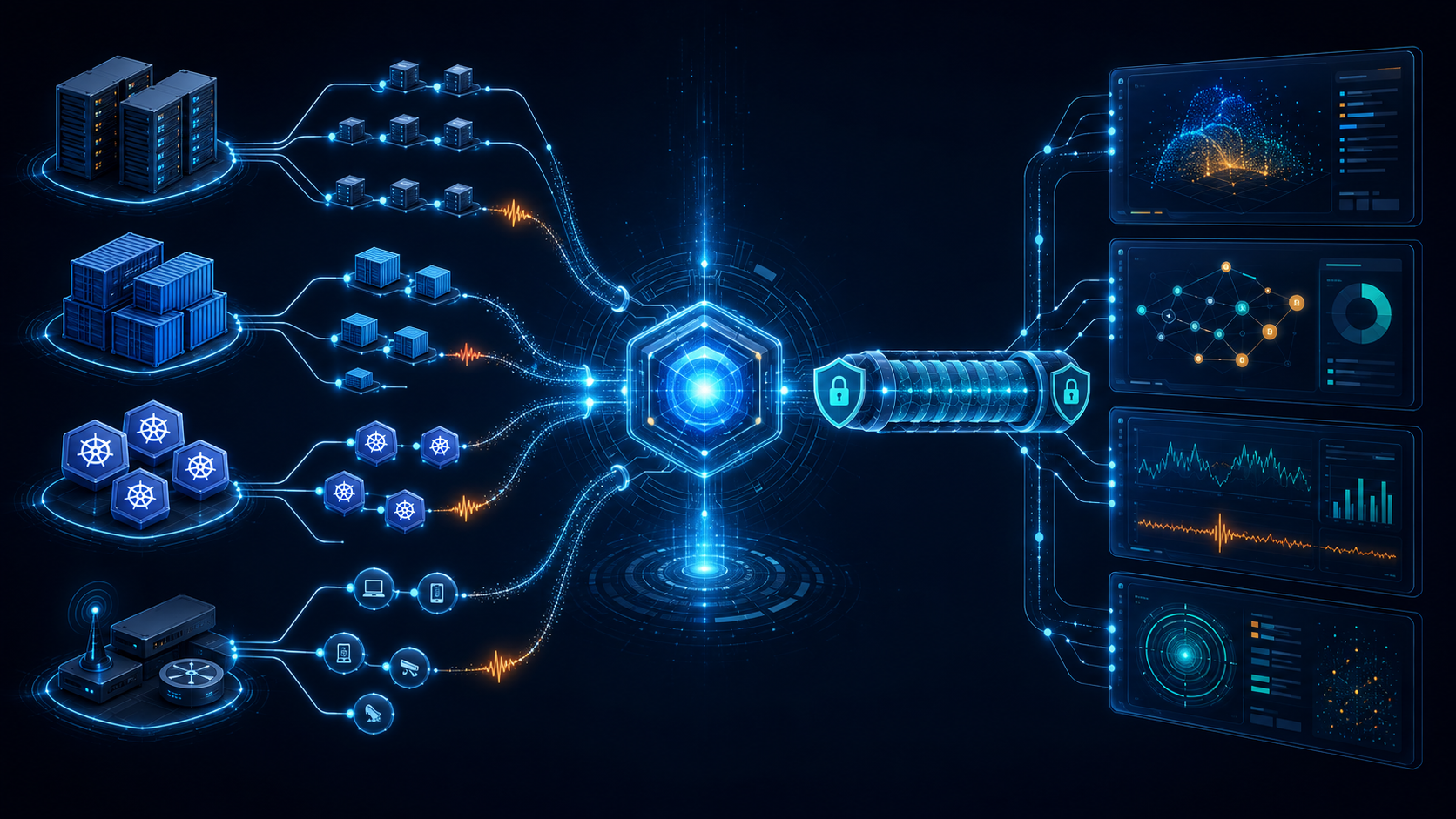
Netdata is more than another monitoring dashboard: it combines per-second metrics, edge anomaly detection, distributed Parent-Child architecture, and MCP troubleshooting into one operational path. This article explains the Agent data flow, the AI analysis loop, and the network capabilities in v2.11.0, then shows where this 80K-star open-source project fits and what to watch during adoption.
RAG bottlenecks often appear in the retrieval layer rather than in the model. This article uses Milvus official architecture and quickstart material to explain vector search, metadata filtering, hybrid search, and a practical path from Milvus Lite to Docker and Kubernetes.
Chrome DevTools MCP connects live Chrome interaction, Console, network, performance, and memory analysis to MCP, giving AI coding agents a verifiable debugging loop between source code and browser state. This article explains the tool surface, adoption path, and security boundaries.
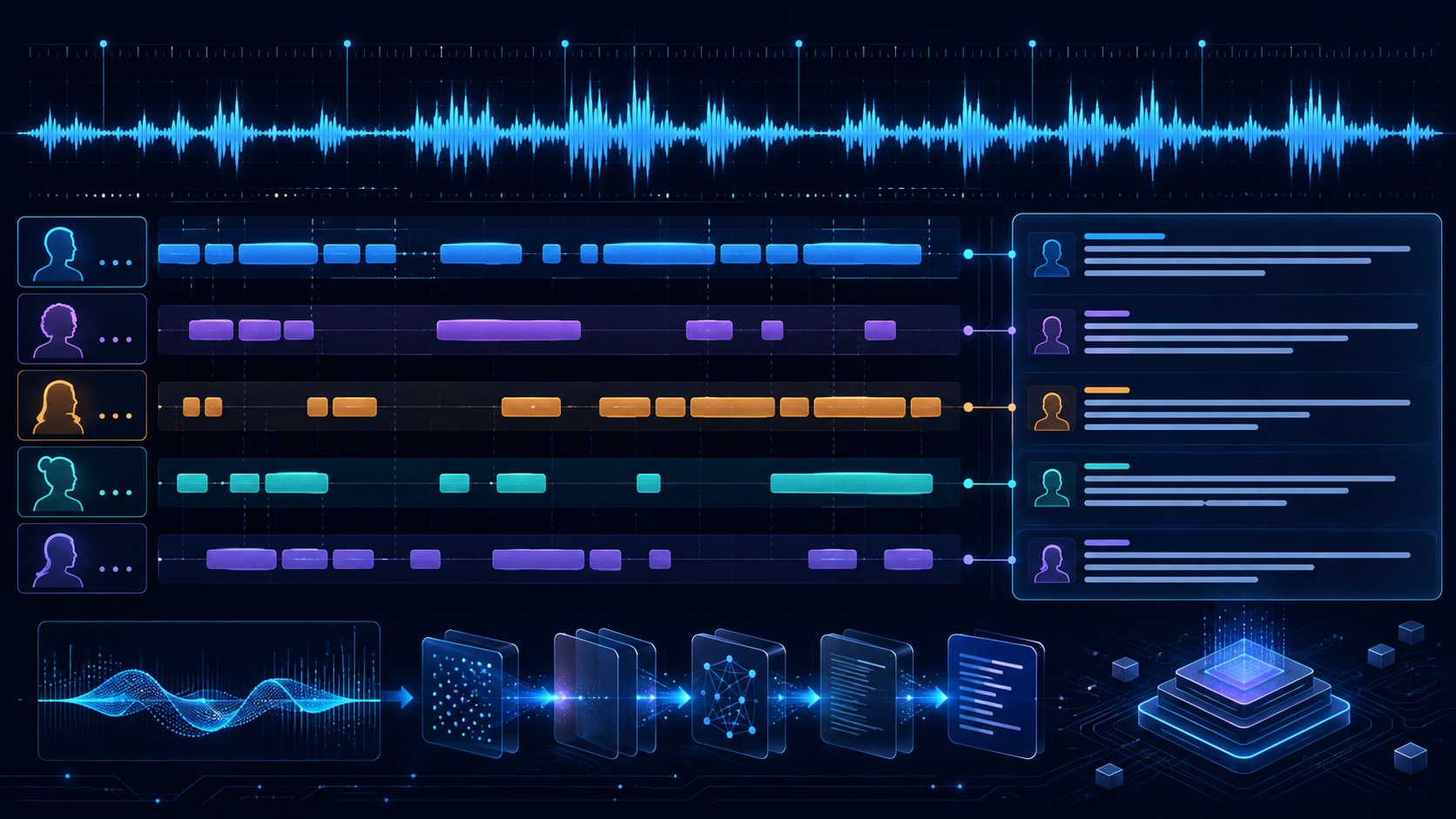
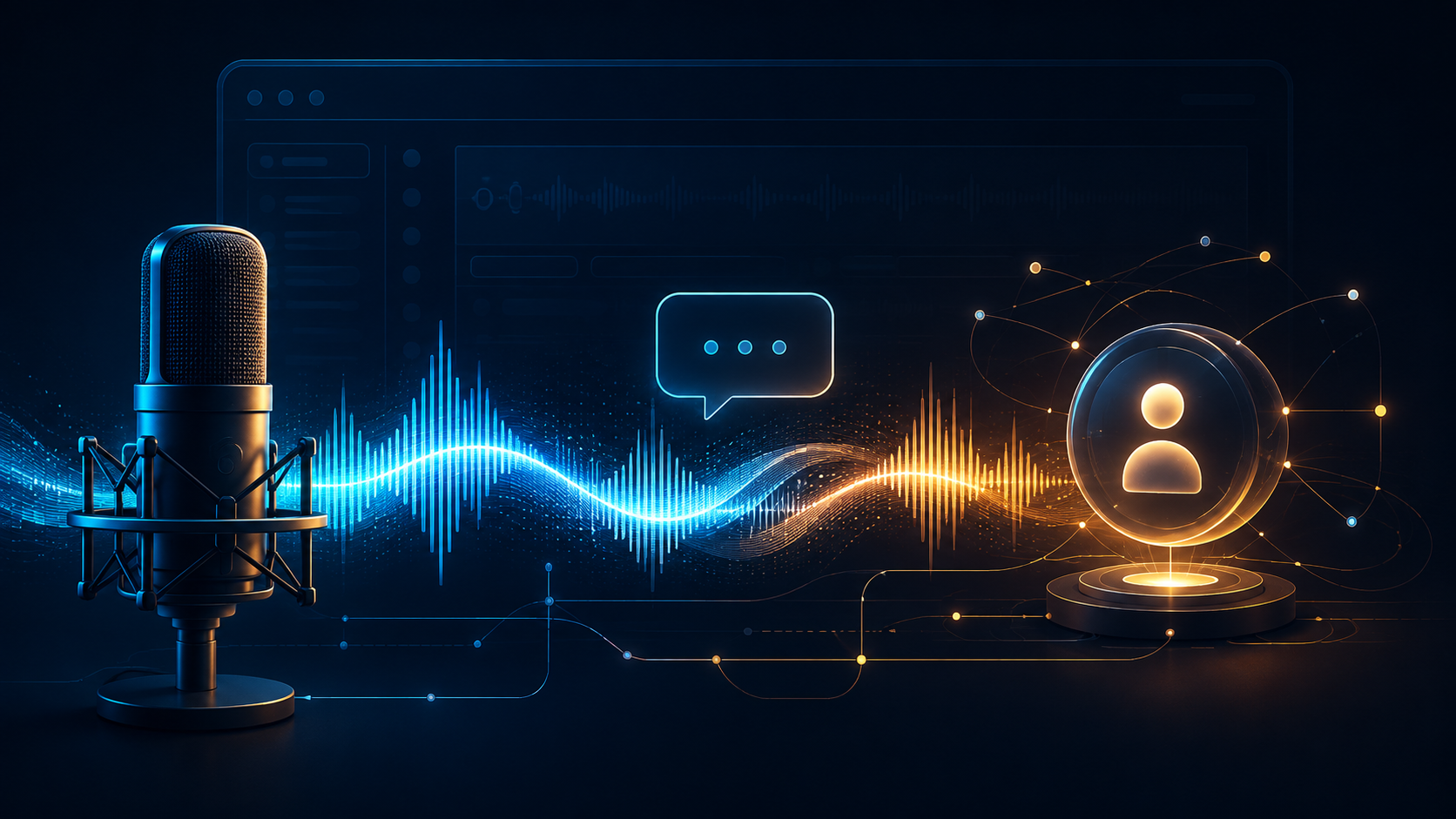
Microsoft VibeVoice is an open-source voice AI family for long-form speech recognition and synthesis. This article explains VibeVoice-ASR setup, structured transcription, Realtime TTS, and responsible deployment limits.
LocalAI turns diverse inference backends, model formats, and hardware accelerators into a self-hosted service layer. With OpenAI-compatible APIs, on-demand backends, built-in agents, and distributed capabilities, it lowers the cost of connecting local models to real products. This article examines its architecture, deployment path, governance boundaries, and the teams it fits best.
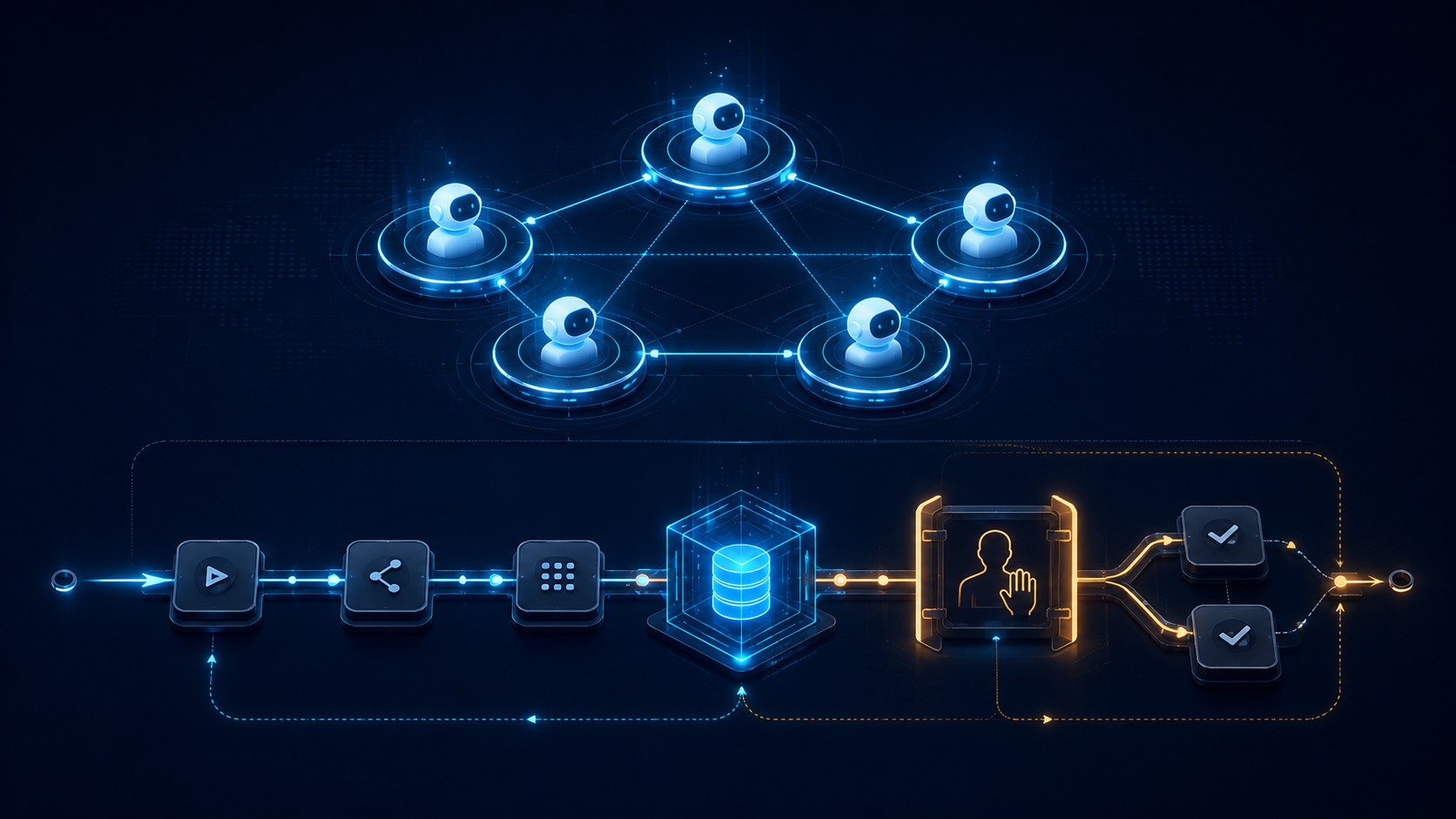
Microsoft Agent Framework is worth watching not because it wraps another chat API, but because it places agents, workflows, state, human approval, observability, and deployment within one engineering model. This article follows the official documentation and a runnable Python quickstart to explain where it fits, how to begin, and why teams should not start by piling on multiple agents.
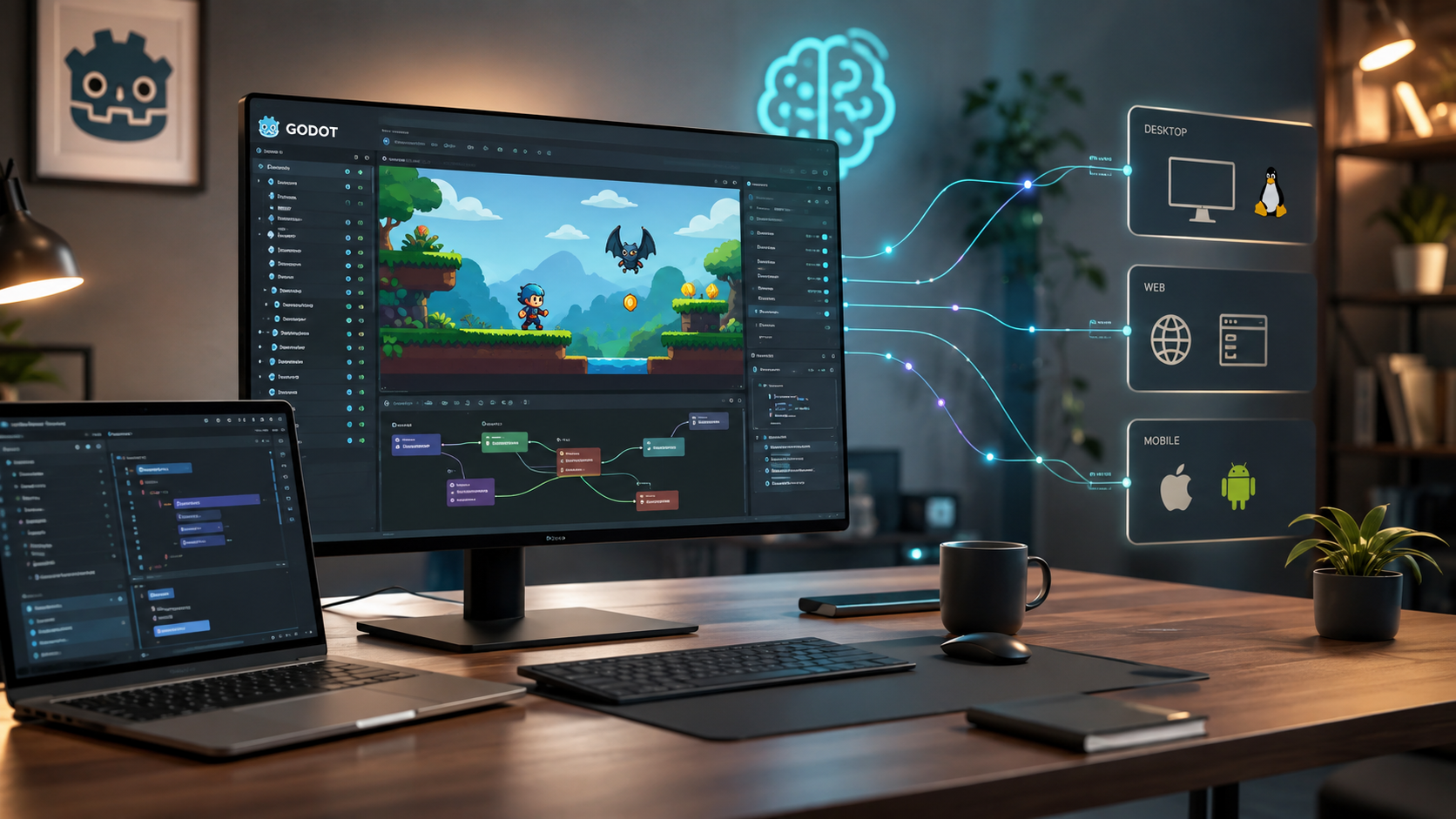
I use Godot to define a reliable AI assisted game development loop: let AI explore, then use scenes, scripts, headless validation, and cross platform export to converge without turning prototype speed into unmanageable maintenance cost.
Meilisearch brings full-text search, semantic search, hybrid search, and conversational search into one API-oriented search engine. This article covers Docker setup, the embedding pipeline, permissions, and evaluation practices for using it as a maintainable retrieval layer in AI applications.
Voicebox combines Whisper dictation, multi-engine TTS, authorized voice cloning, a REST API, and MCP integration in a local-first open-source voice studio. This article examines its architecture, deployment paths, agent integration, and the governance controls needed for production.
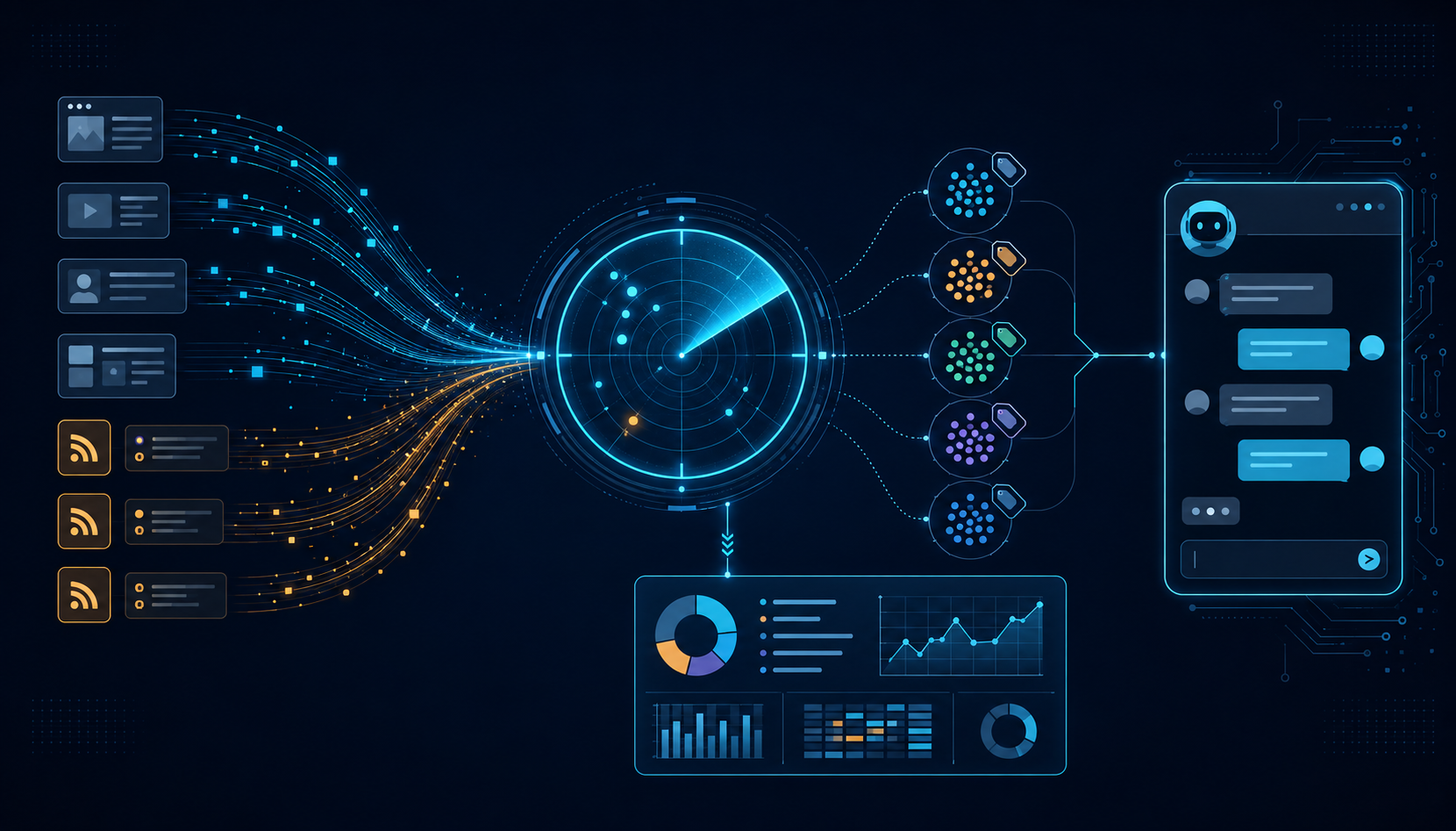
TrendRadar is more than a hot-topic forwarding script. It combines multi-platform trends, RSS feeds, keyword rules, AI filtering, analysis, and notifications into a self-hostable intelligence pipeline, then exposes accumulated news data through MCP for natural-language exploration.
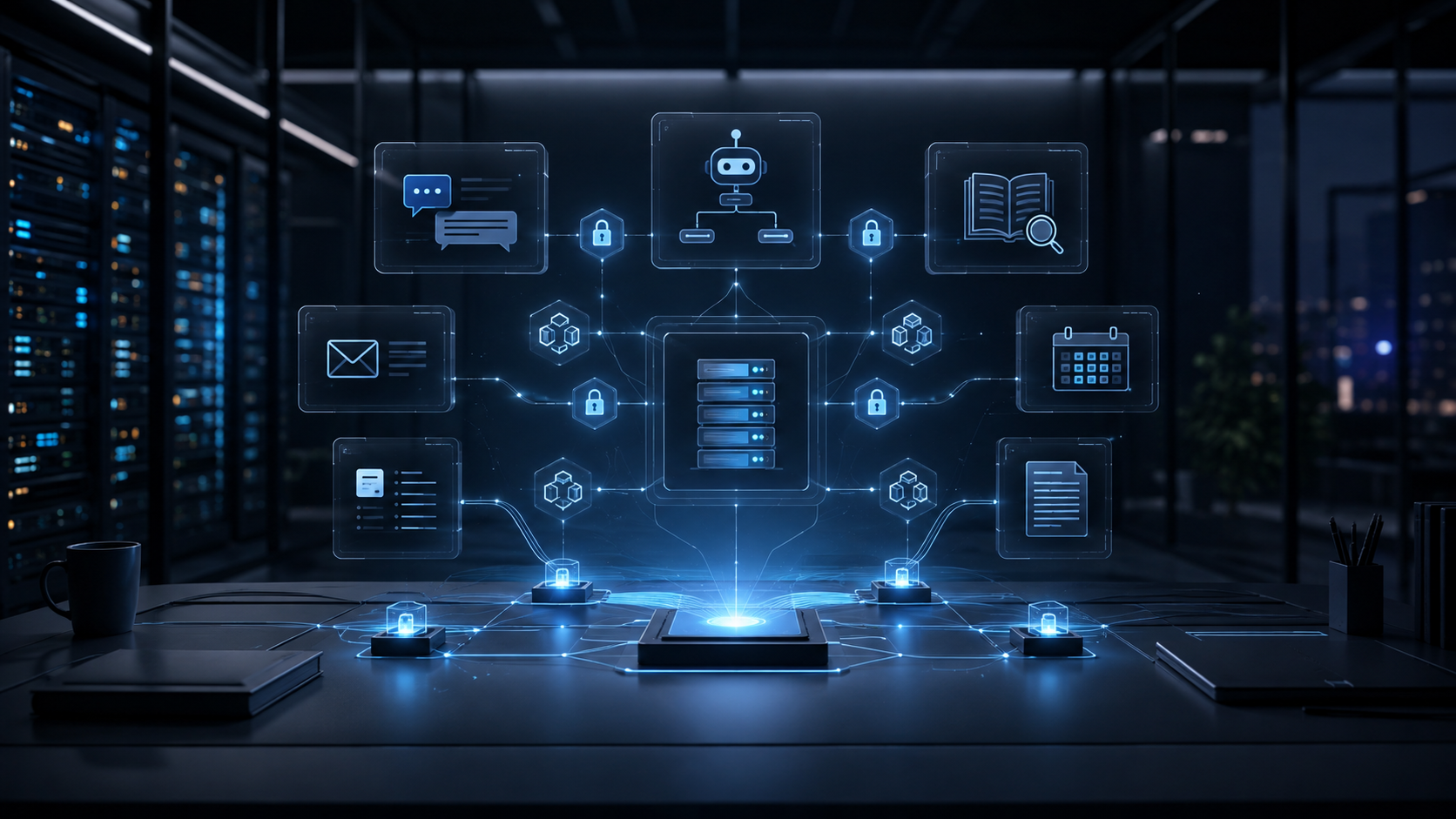
Odysseus is more than another chat interface: it brings chat, agents, research, documents, email, notes, calendars, and local-model workflows into one self-hosted workspace. This article uses the official README and Quick Start to examine its practical value, setup path, permission risks, and sensible proof-of-concept projects.
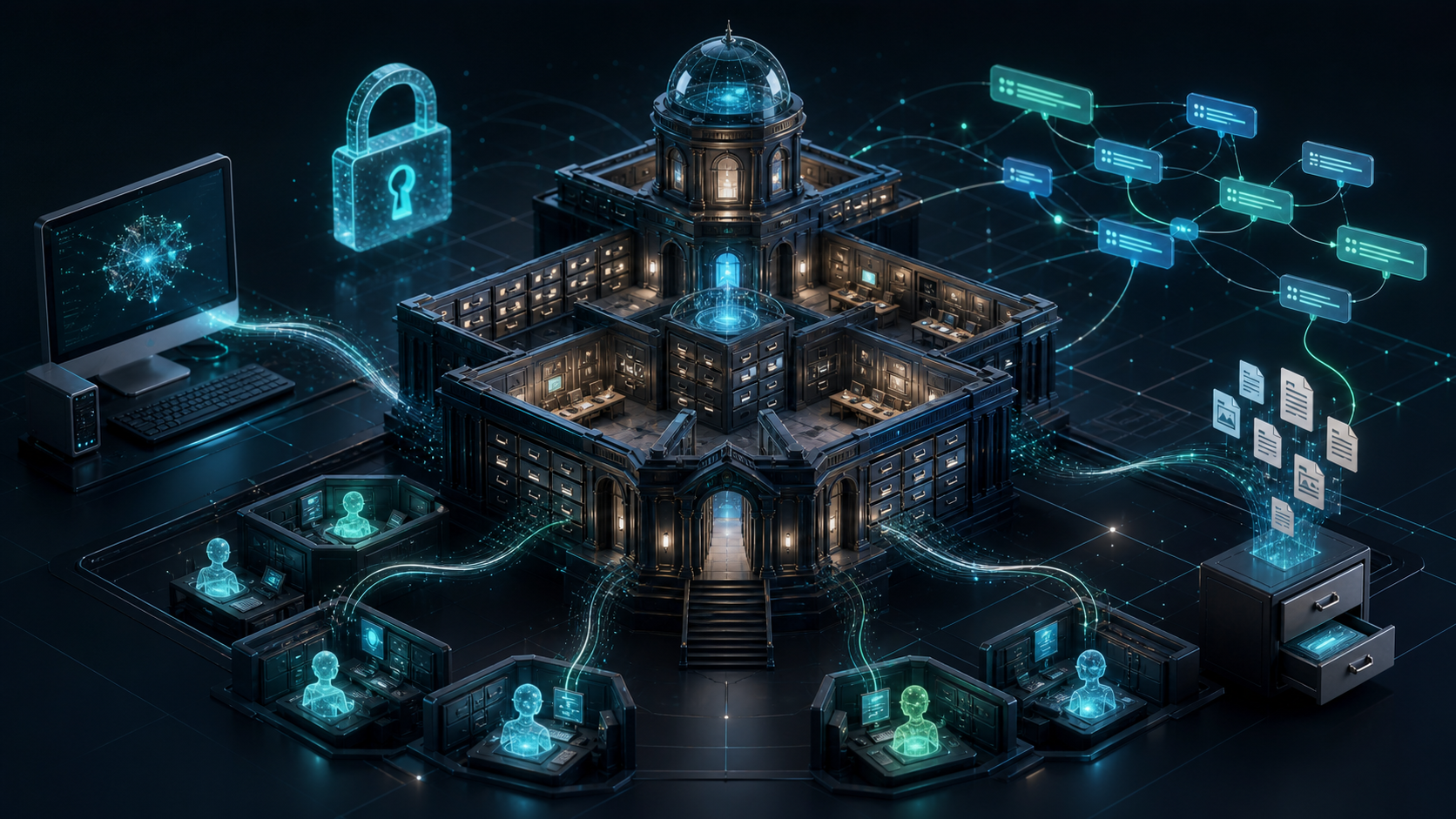
An AI coding agent forgets when its context window resets, but project decisions and conversation details should not disappear with it. This walkthrough explains MemPalace's verbatim storage, layered retrieval, pluggable backends, MCP integration, and the operational pitfalls around versions, model downloads, permissions, and data boundaries.
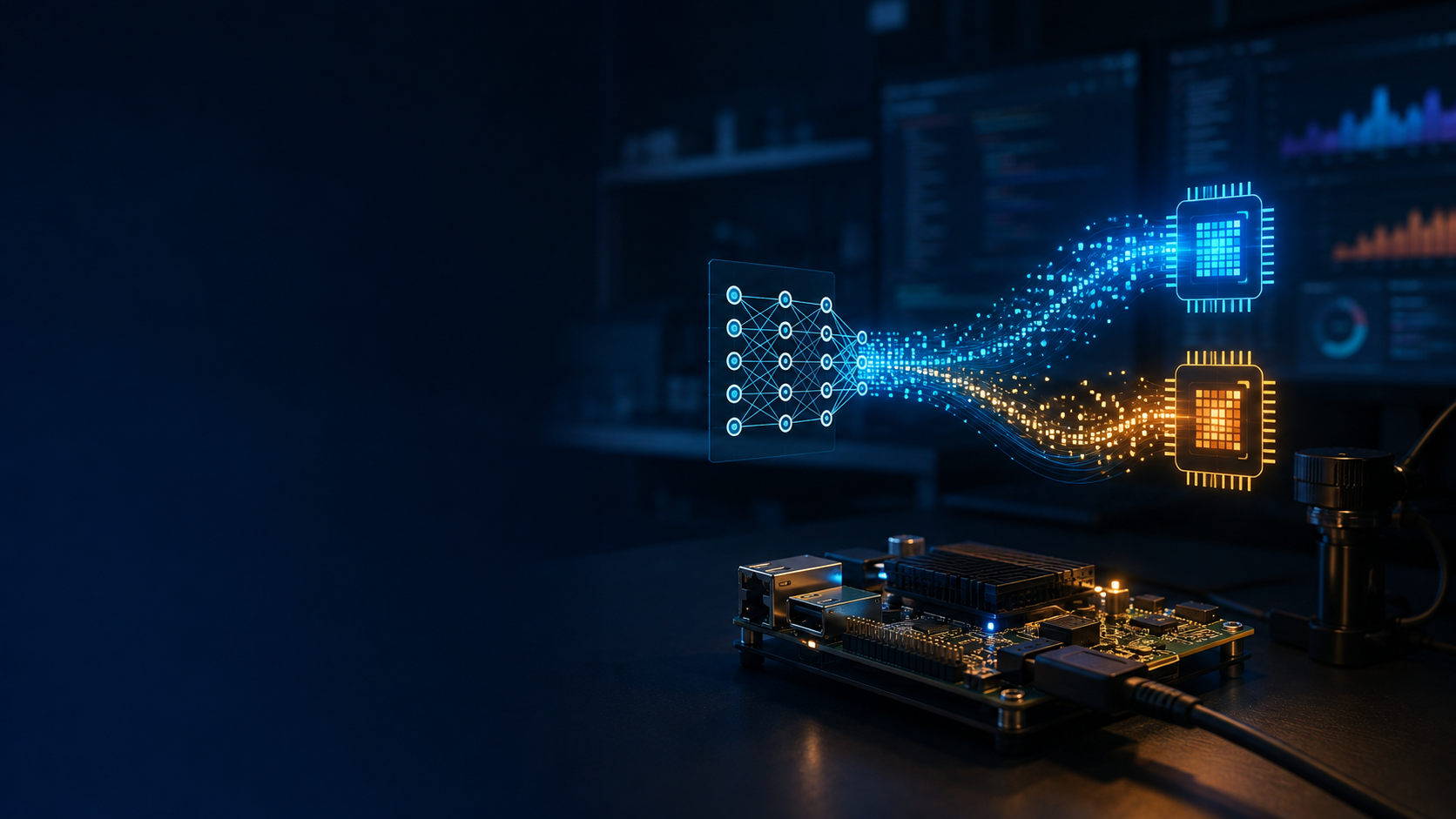
Microsoft bitnet.cpp brings BitNet b1.58 and other low-bit models to CPU and GPU inference through optimized kernels, model formats, and benchmark tools, opening practical paths for local LLMs, RAG embeddings, and edge AI.
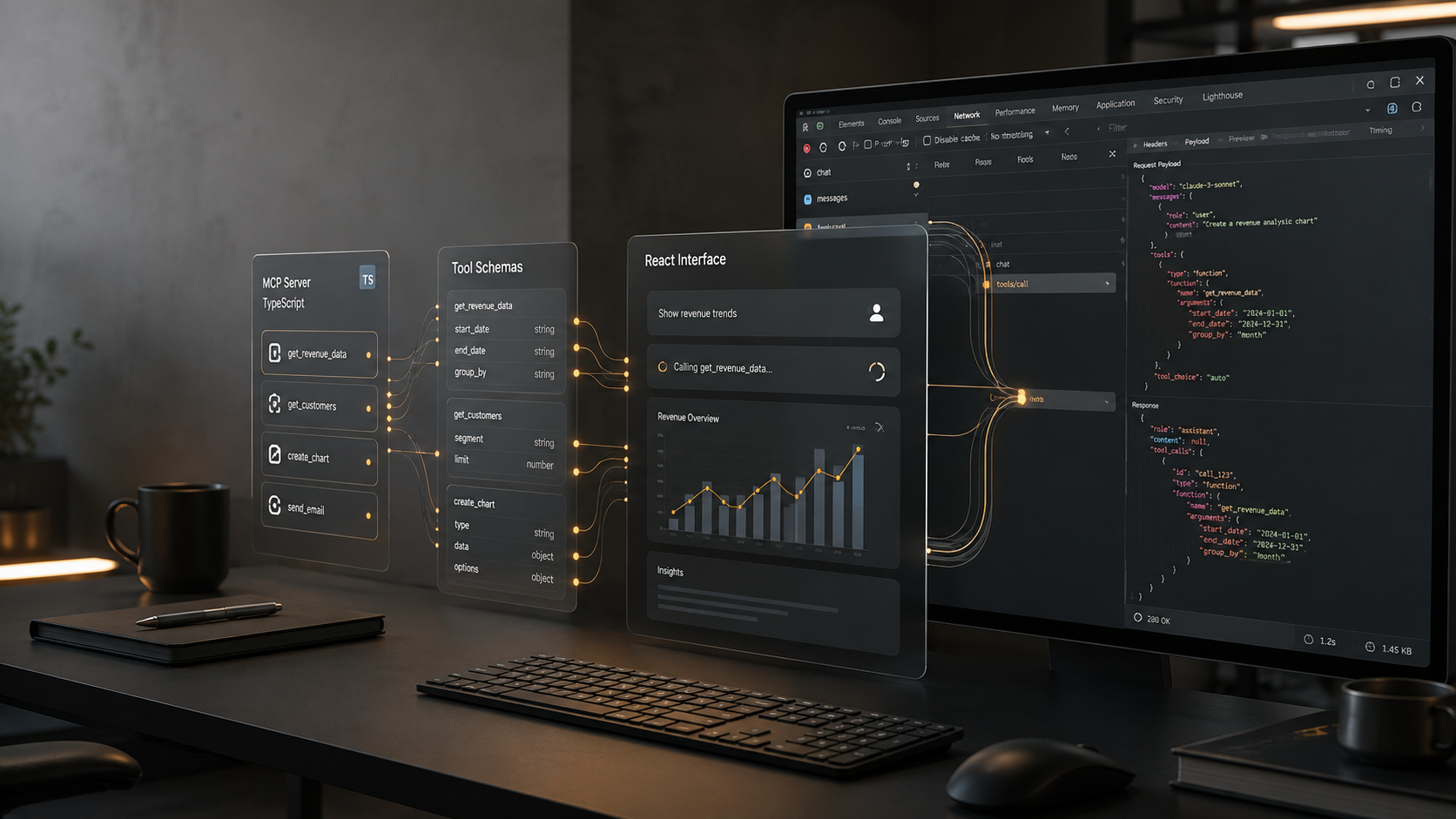
MCP becomes useful in production when tools, structured results, interactive views, and debugging form one maintainable workflow. This article uses mcp-use to explain that path from server to executable AI application.
Haystack 3.0 uses components and Pipelines to make RAG, agents, retrieval, tool calls, and generation composable and testable. This article explains the design from the official source code, builds a minimal RAG example, and discusses where the framework fits in production.
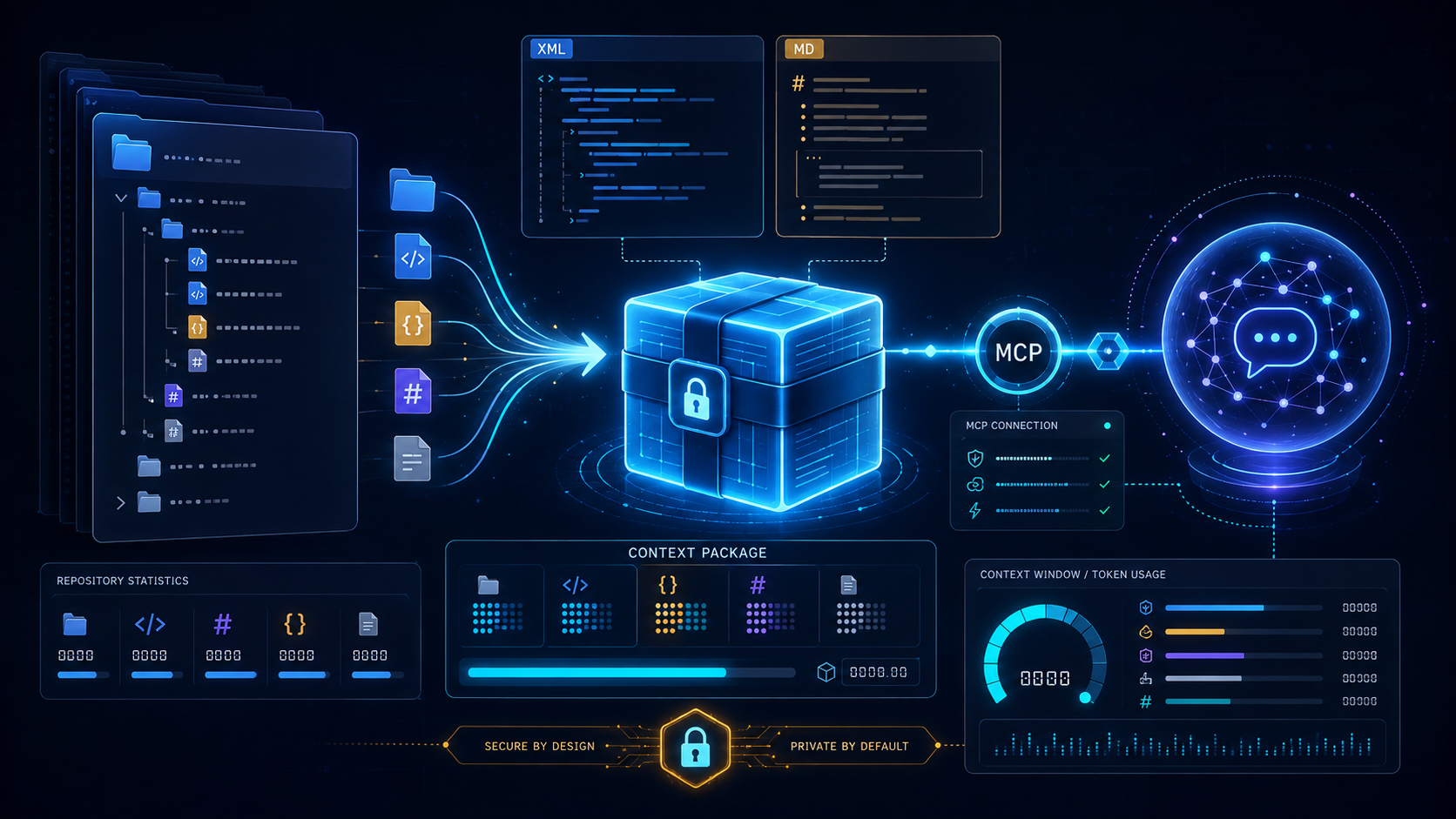
When an AI assistant sees only scattered files, refactoring and debugging quickly lose context. Repomix packages a repository into XML, Markdown, JSON, or plain text, while bringing file filtering, token counting, Tree-sitter compression, MCP, and security checks into one workflow. This article starts with practical commands and explains how to make it a reliable entry point for AI-assisted code reading.
CrewAI separates multi-agent applications into complementary layers: Crews for role-based agent collaboration and Flows for events, state, branching, and side effects. This article starts with a minimal Flow, embeds a Crew, and explains the validation, observability, and authorization boundaries required for production.
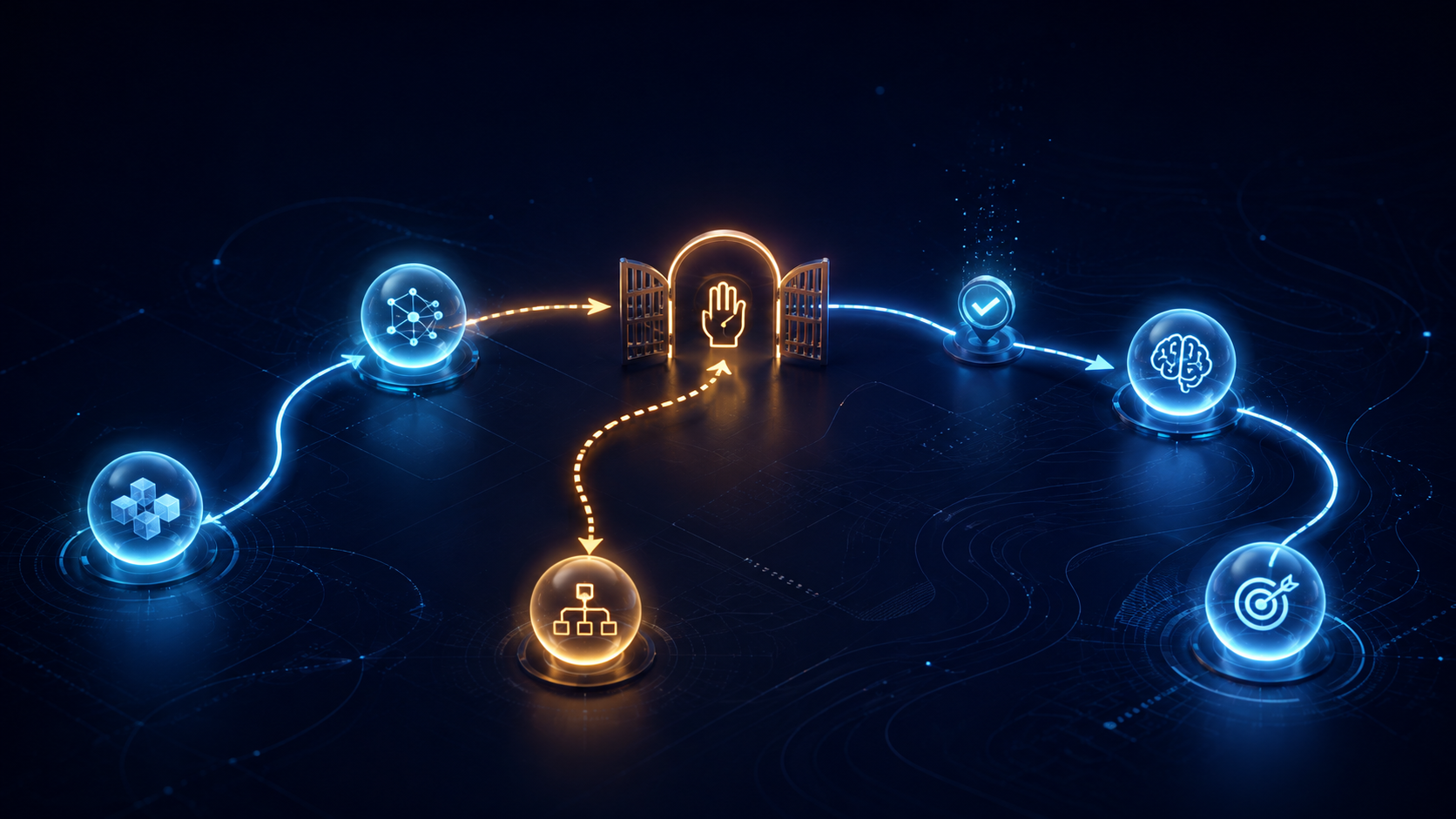
LangGraph is not another model. It is a graph-based orchestration layer for building stateful agents that can be tested, paused, and resumed. This article starts with State, Node, and Edge, then examines durable execution, interrupts, and memory for production agents.
The hardest part of a RAG system is often not the first import into a vector database, but keeping answers aligned with changing data. Pathway combines stream processing, real time analytics, LLM pipelines, and RAG in a Python ETL framework so a knowledge pipeline can be updated as its sources change.
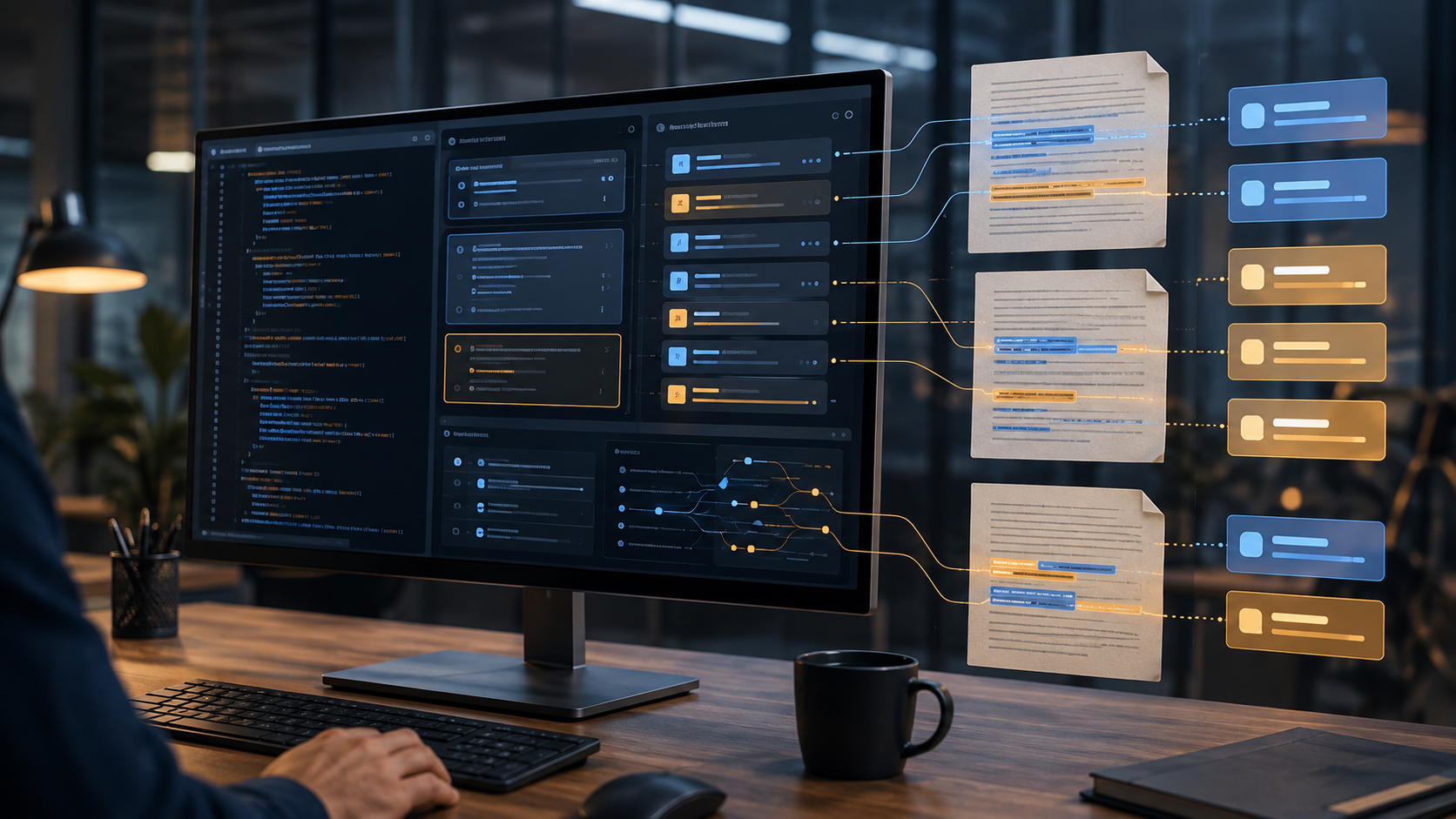
LangExtract does more than produce structured LLM output: it maps each extraction to a character span in the source text and provides JSONL plus interactive HTML for review. This article explains its data model, long-document pipeline, provider architecture, and a practical local start.
LobeHub is more than a chat interface. It brings Agent Builder, agent groups, schedules, projects, workspaces, and editable memory into one AI workspace. This article examines its product model, self hosting path, collaboration design, and governance limits.
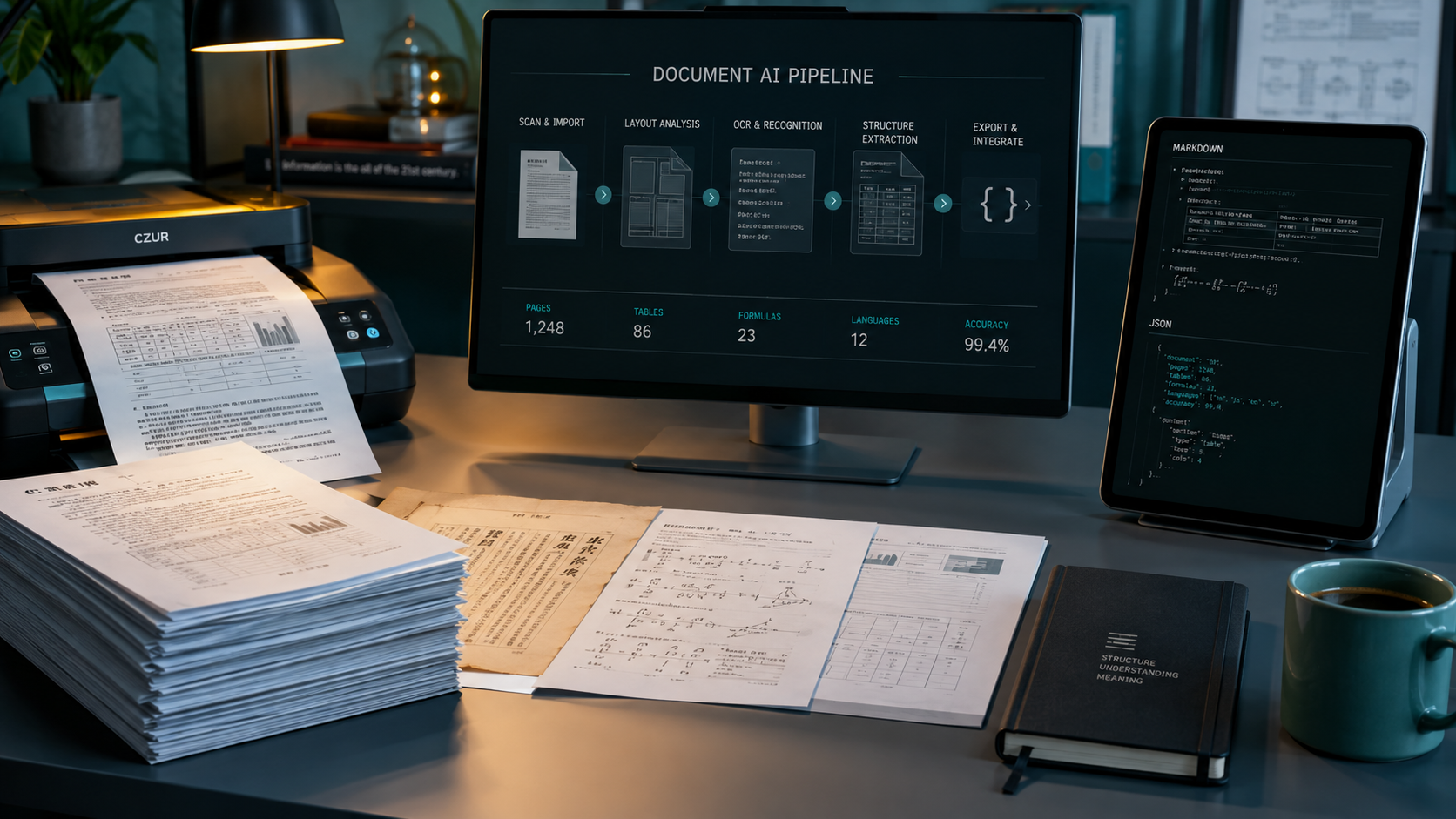
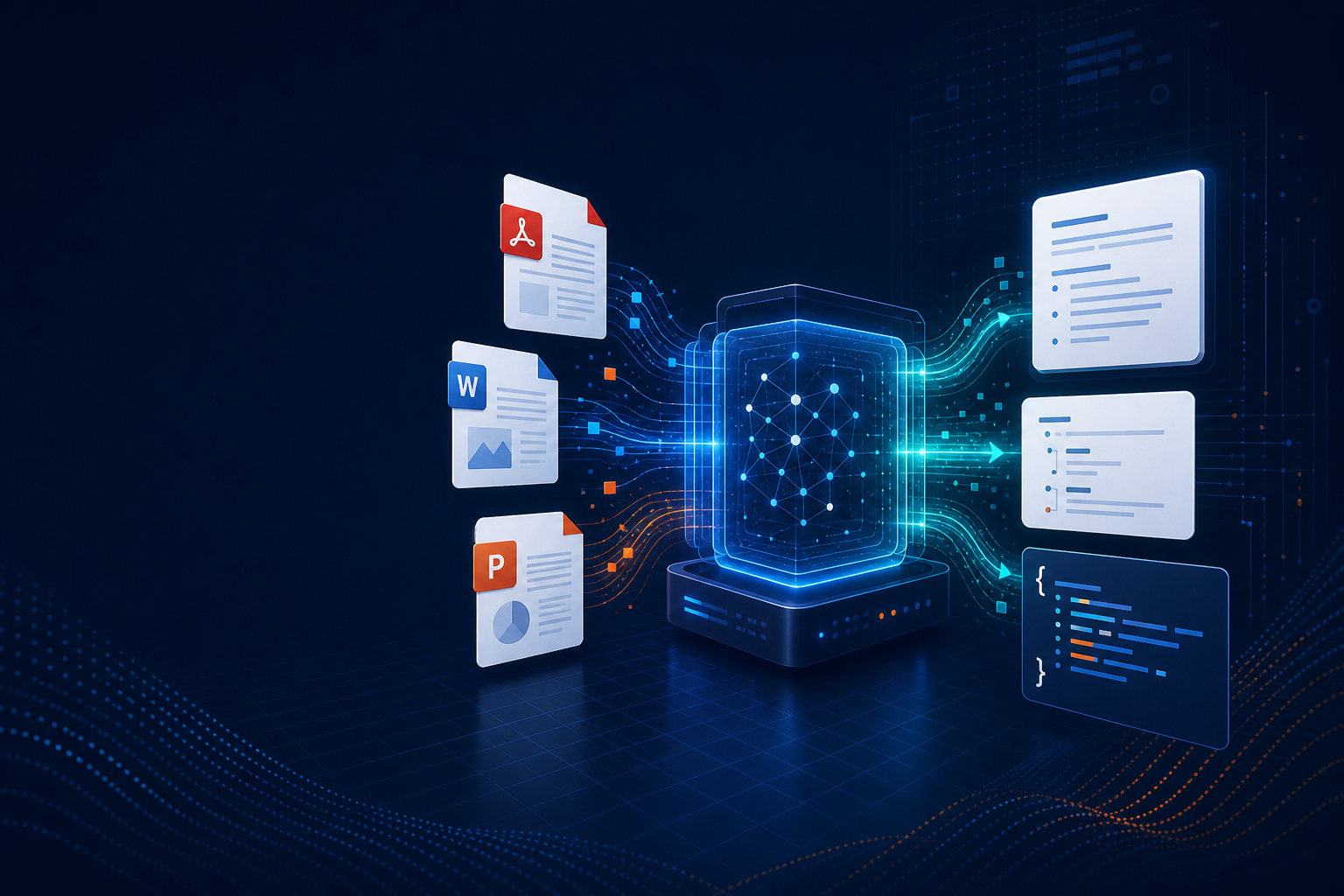
PaddleOCR does more than convert images to text. It turns PDFs and images with layouts, tables, formulas, and multilingual content into Markdown or JSON that RAG systems and agents can actually use. This article explains PP OCR, PP StructureV3, PaddleOCR VL, practical setup, and production limits.
When an AI coding agent relies on file-by-file search to understand a large repository, it can miss cross-file relationships and consume excessive context. codebase-memory-mcp combines tree-sitter, Hybrid LSP, and a local SQLite knowledge graph, then exposes architecture, call-path, and impact-analysis queries through MCP. This article explains its design, installation, benchmarks, security boundaries, and best-fit use cases.
Before documents enter RAG or agent workflows, the difficult part is preserving layout, tables, formulas, and image context. MinerU parses PDF, image, DOCX, PPTX, and XLSX files into Markdown and JSON, with CLI, API, WebUI, and multi-service routing for document AI pipelines.
Goose is more than an AI tool that answers questions inside an editor. It combines models, tools, sessions, and multiple providers into an executable open-source agent workbench. This article covers CLI installation, model configuration, MCP extensions, session management, practical use cases, and the permission and recovery limits teams should evaluate before adoption.
Context7 puts current, version-specific library documentation and code examples into an LLM context through CLI plus skills or MCP. This article explains how it reduces the risk of outdated APIs and guessed examples, and covers setup, usage, governance, and limitations.
Pi Agent Harness starts with a minimal terminal agent core and separates model interfaces, tool execution, sessions, extensions, and sandbox boundaries. This article covers the architecture, CLI quick start, skills and extensions, and a practical path to containerized AI coding agents.
HKUDS/nanobot is a self-buildable personal AI Agent framework developed in Python, integrating WebUI, CLI, chat channel, tools, long-term memory, MCP, sub-agent, scheduling and OpenAI-compatible API. This article summarizes how it moves from a chat robot to a permanent workbench from the perspective of Agent loop, quick start, self-established boundaries and engineering checkpoints.
PrivateGPT 1.0 is not a model executor, but an API-first private AI application backend: connecting the local inference server with RAG, references, tools, MCP, database queries and front-end applications. This article dismantles its architecture, installation path, import sequence and security boundaries.
Scrapling is a Python web scraping framework that combines an adaptive HTML parser, browser-capable fetchers, resumable spiders, a CLI, and an MCP server. This article explains its architecture and walks through a practical path from single-page extraction to concurrent crawling.
RTK is a CLI proxy written in Rust that filters, groups, truncates and deduplicates the shell output according to the command type before entering the AI coding agent. This article breaks down the scope of its real savings, how installation integrates with agents, and how to import without sacrificing error visibility.
The open source project of 99k stars, from Tokenizer and Attention mechanism to GPT model, pre-training and fine-tuning, will guide you step by step to implement a complete LLM from scratch. Even the hardware requirements can be run with an ordinary laptop.
OpenCode turns AI coding agents into cross-platform desktop and terminal tools that support local models, multi-agent architectures, and complete file systems. It is one of the most noteworthy open source coding projects in 2026.
Cherry Studio uses a unified desktop application to solve the pain point of fragmentation of AI tools - it also supports 300+ AI providers such as OpenAI, Anthropic, Gemini, Ollama, etc., has a built-in MCP server architecture, and is completely open source.
Headroom is an open-source context compression layer designed for AI agents. It intelligently compresses data before it reaches the LLM, saving 60-95% tokens while maintaining accuracy.
Google's open-source terminal AI Agent using Gemini 2.5 Pro, free and supporting MCP extension ecosystem, letting developers use the strongest AI capabilities directly from the command line.
With over 210,000 stars, 370+ contributors, and nearly 200 merged PRs every week - Hermes Agent is not just another LLM wrapper, it is the first open source AI Agent framework with built-in closed-loop learning. This article provides an in-depth analysis of its self-evolution mechanism, Mixture-of-Agents, and why it deserves your attention.