AI-Chain
Developer Tools

Developer Tools

28 articles

Hands-On with GitHub MCP Server: Connecting AI Agents to Repositories, Issues, and Pull Requests with a Minimal Toolset

Hands-On with GitHub MCP Server: Connecting AI Agents to Repositories, Issues, and Pull Requests with a Minimal Toolset

How does GitHub’s official github-mcp-server expose repository, issue, pull request, and CI/CD capabilities to AI agents through MCP? Starting with remote and local deployment, minimal toolsets, read-only access, and lockdown mode, this article outlines a practical engineering workflow that prioritizes clear permission boundaries.
Read More
D3.js Is More Than Charts: Building Interactive Visualizations with Data Binding

D3.js Is More Than Charts: Building Interactive Visualizations with Data Binding

D3.js is not a component library that drops data into fixed chart templates; it is a low-level set of visualization tools built on web standards. Drawing on the d3/d3 module structure and official examples, this article explains how data binding, scales, shape generation, and interaction updates fit together, with a runnable SVG example to show where D3.js is a good fit—and when a higher-level charting solution is preferable.
Read More
When LLM Serving Meets Real Traffic: How SGLang Makes Inference Performance an Engineering Practice

When LLM Serving Meets Real Traffic: How SGLang Makes Inference Performance an Engineering Practice

Connecting an open-source model to an API is only the first step. SGLang focuses on high-performance serving for LLMs and multimodal models, offering an OpenAI-compatible interface, native generation APIs, and multiple deployment paths. This article examines the problems it addresses, how to get started, the boundaries of performance engineering, and which teams should consider trying it first.
Read More
Turn Python Functions into AI Capabilities: How FastMCP Shortens the Path to an MCP Server

Turn Python Functions into AI Capabilities: How FastMCP Shortens the Path to an MCP Server

MCP is not only about letting a model call tools. Its larger value is connecting tools, data, and reusable interaction interfaces through one protocol. FastMCP uses Python decorators, type annotations, and ready-made server and client APIs so teams can start with a small verifiable MCP server, then add transport, deployment, authorization, and governance as the real requirements become clear.
Read More
From a Single Python Process to an AI Cluster: How Ray Hides the Cost of Scaling

From a Single Python Process to an AI Cluster: How Ray Hides the Cost of Scaling

When machine learning workloads move beyond one machine, the hard part is not simply adding more CPUs. It is redesigning the boundaries between tasks, state, data, and services. Ray provides a Python native distributed execution model built around tasks, actors, and objects, then adds AI libraries such as Data, Train, Tune, RLlib, and Serve. This article uses a verifiable getting started example to explain where Ray fits and when it should not be introduced too early.

Read More
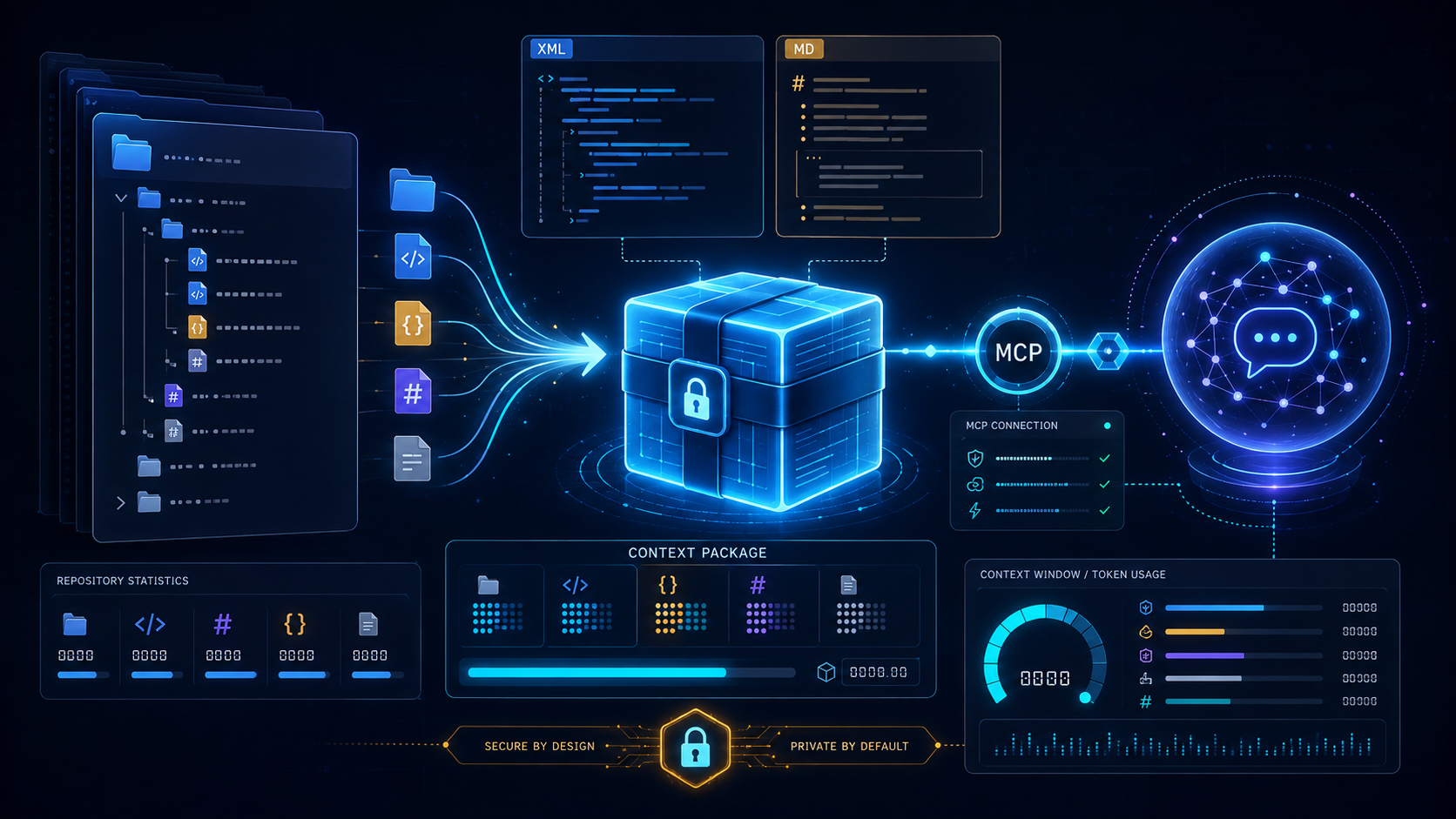
Let an LLM Understand Your Whole Codebase: Build Controlled, Compressed Context with Repomix

Let an LLM Understand Your Whole Codebase: Build Controlled, Compressed Context with Repomix

When an AI assistant sees only scattered files, refactoring and debugging quickly lose context. Repomix packages a repository into XML, Markdown, JSON, or plain text, while bringing file filtering, token counting, Tree-sitter compression, MCP, and security checks into one workflow. This article starts with practical commands and explains how to make it a reliable entry point for AI-assisted code reading.
Read More
DeepSeek Harness: Building a Replaceable AI Agent Workbench with an Everything-is-a-Plugin Architecture

DeepSeek Harness: Building a Replaceable AI Agent Workbench with an Everything-is-a-Plugin Architecture

As AI agents move from one-shot chat to file access, command execution, and multi-step work, the hard part is replacing models, tools, and approval policies without rewriting the core. DeepSeek Harness builds on an everything-is-a-plugin architecture and Cordis, with a Web UI, a headless runner, and composable profiles and bundles.
Read More
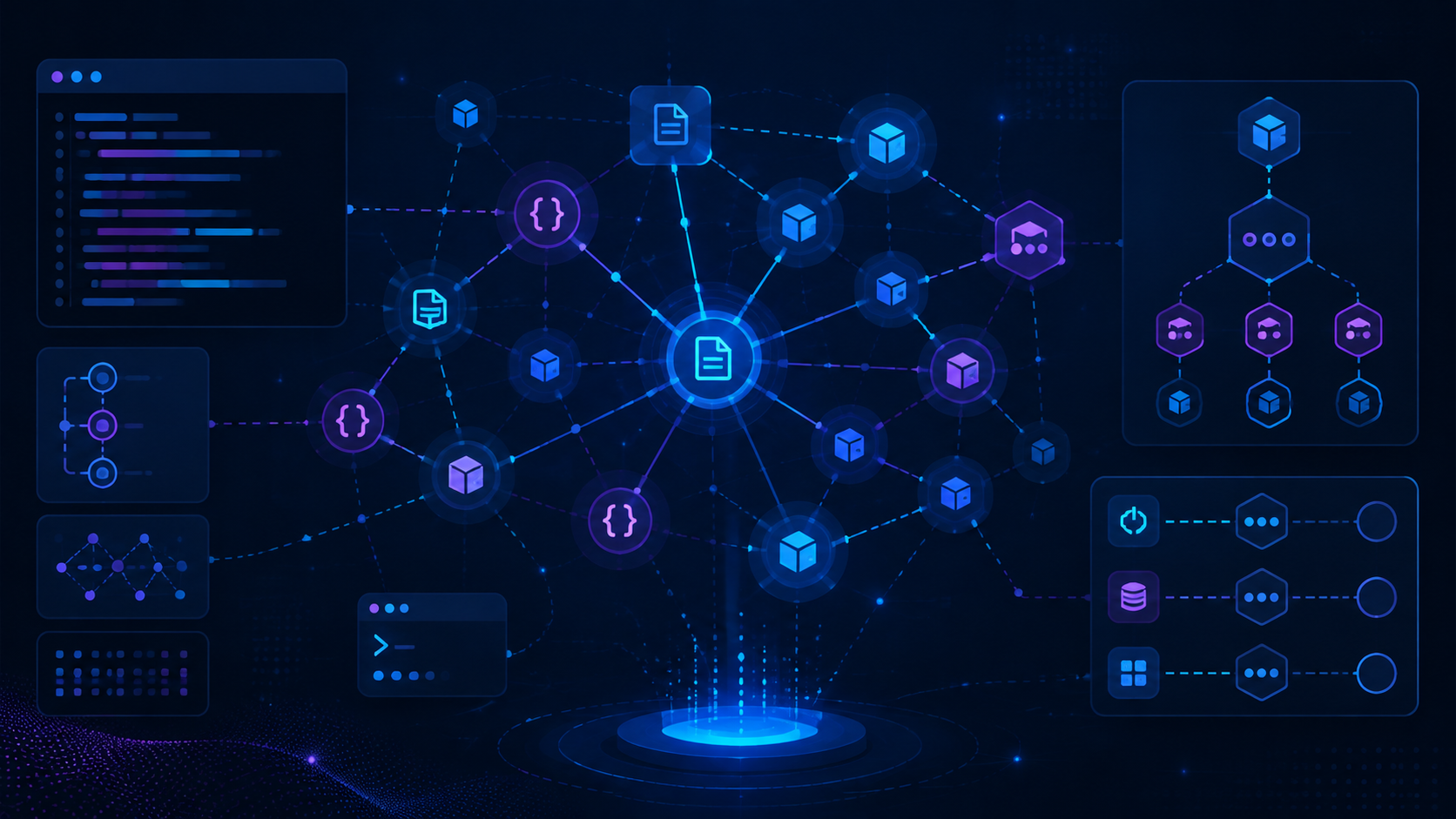
Let AI Understand the Whole Codebase First: The Knowledge-Graph Approach of codebase-memory-mcp

Let AI Understand the Whole Codebase First: The Knowledge-Graph Approach of codebase-memory-mcp

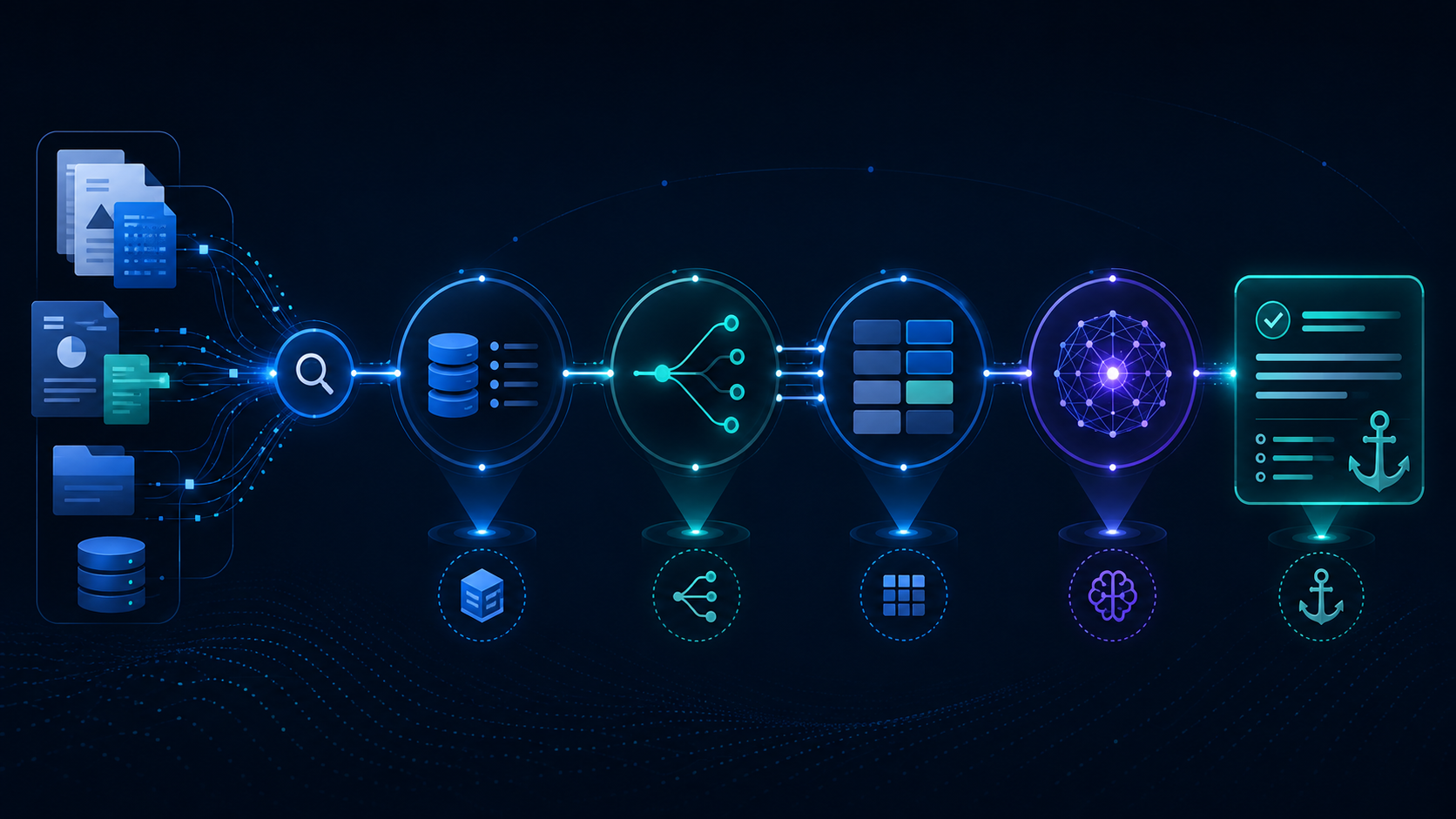
When an AI coding agent relies on file-by-file search to understand a large repository, it can miss cross-file relationships and consume excessive context. codebase-memory-mcp combines tree-sitter, Hybrid LSP, and a local SQLite knowledge graph, then exposes architecture, call-path, and impact-analysis queries through MCP. This article explains its design, installation, benchmarks, security boundaries, and best-fit use cases.
Read More
nanobot:把自架個人 AI Agent 變成可長駐的工作台

nanobot:把自架個人 AI Agent 變成可長駐的工作台

HKUDS/nanobot is a self-buildable personal AI Agent framework developed in Python, integrating WebUI, CLI, chat channel, tools, long-term memory, MCP, sub-agent, scheduling and OpenAI-compatible API. This article summarizes how it moves from a chat robot to a permanent workbench from the perspective of Agent loop, quick start, self-established boundaries and engineering checkpoints.
Read More
Stop Maintaining Platform Connectors One by One: How Agent Reach Makes AI Agent Internet Access Checkable

Stop Maintaining Platform Connectors One by One: How Agent Reach Makes AI Agent Internet Access Checkable

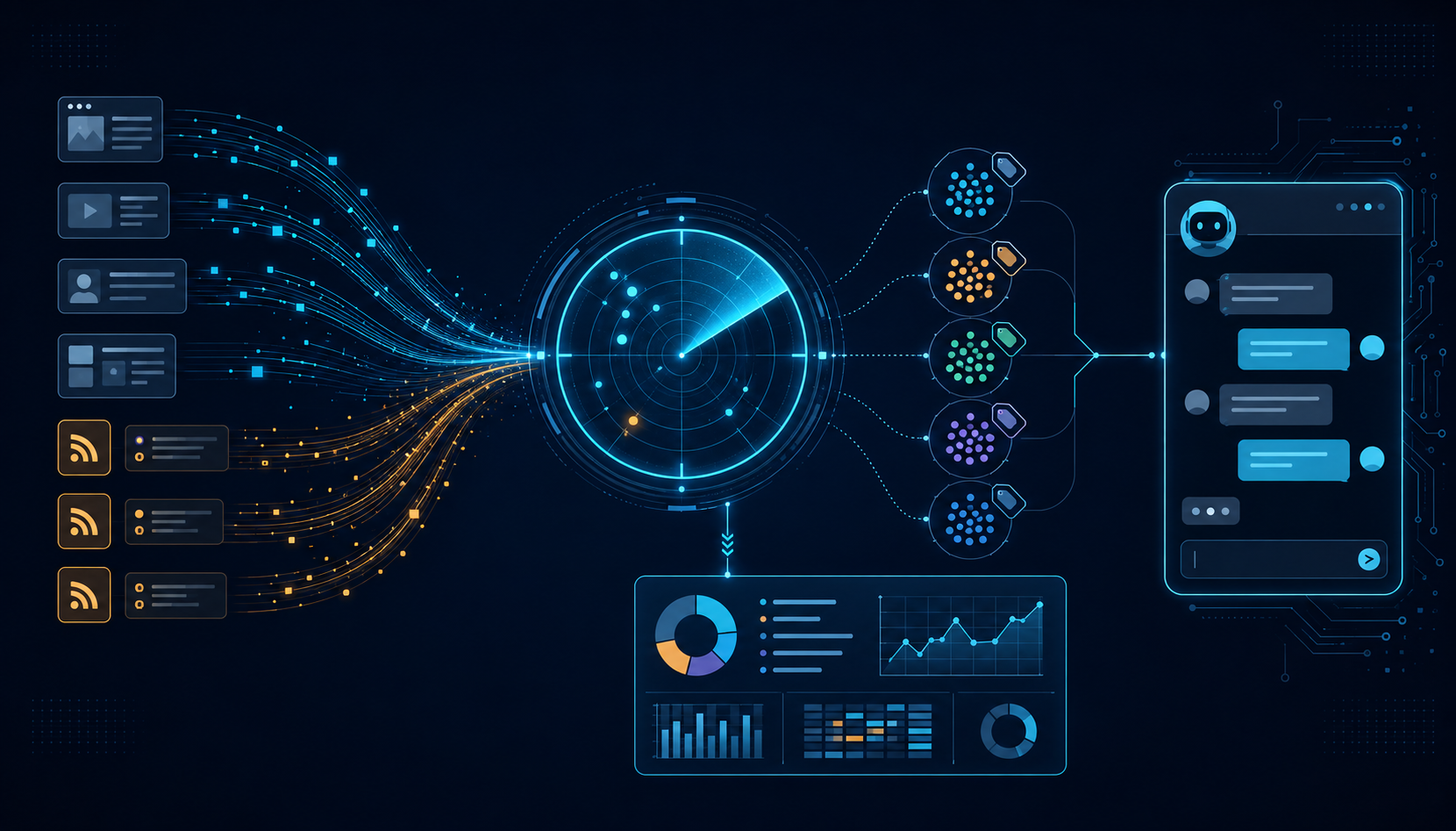
Giving an AI Agent internet access means dealing with platform differences, authentication, dependencies, routing, and failures. This article explains how Agent Reach combines an installer, health checks, and multi-backend routing into a maintainable toolchain for web pages, GitHub, video, RSS, and social platforms, while also covering safe adoption and practical limits.
Read More