Crawl4AI turns dynamic web pages into Markdown and structured data for LLM, RAG, and data pipelines. This article explains asynchronous crawling, content filtering, deep crawling, and the security boundary of its Docker server.
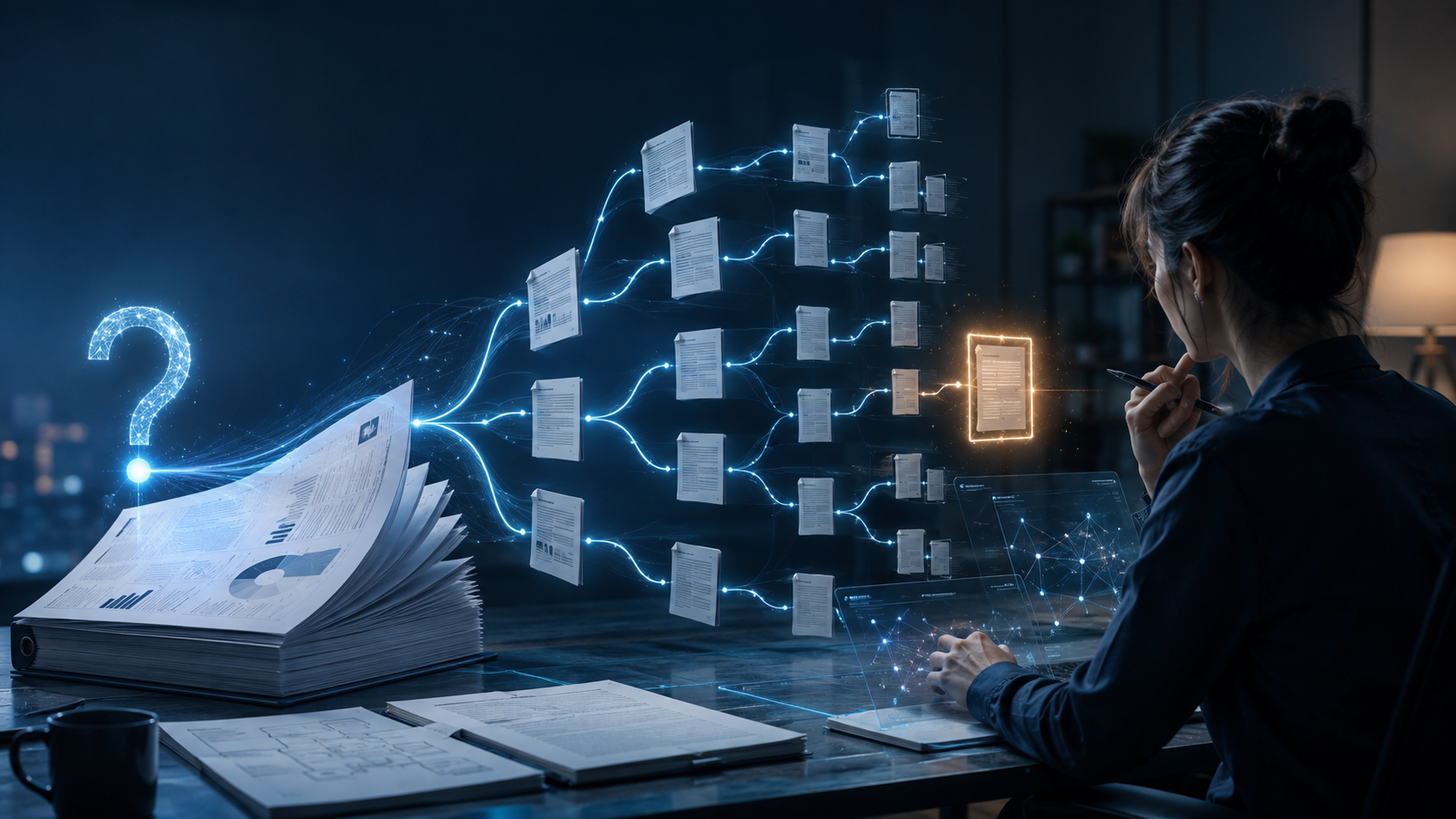
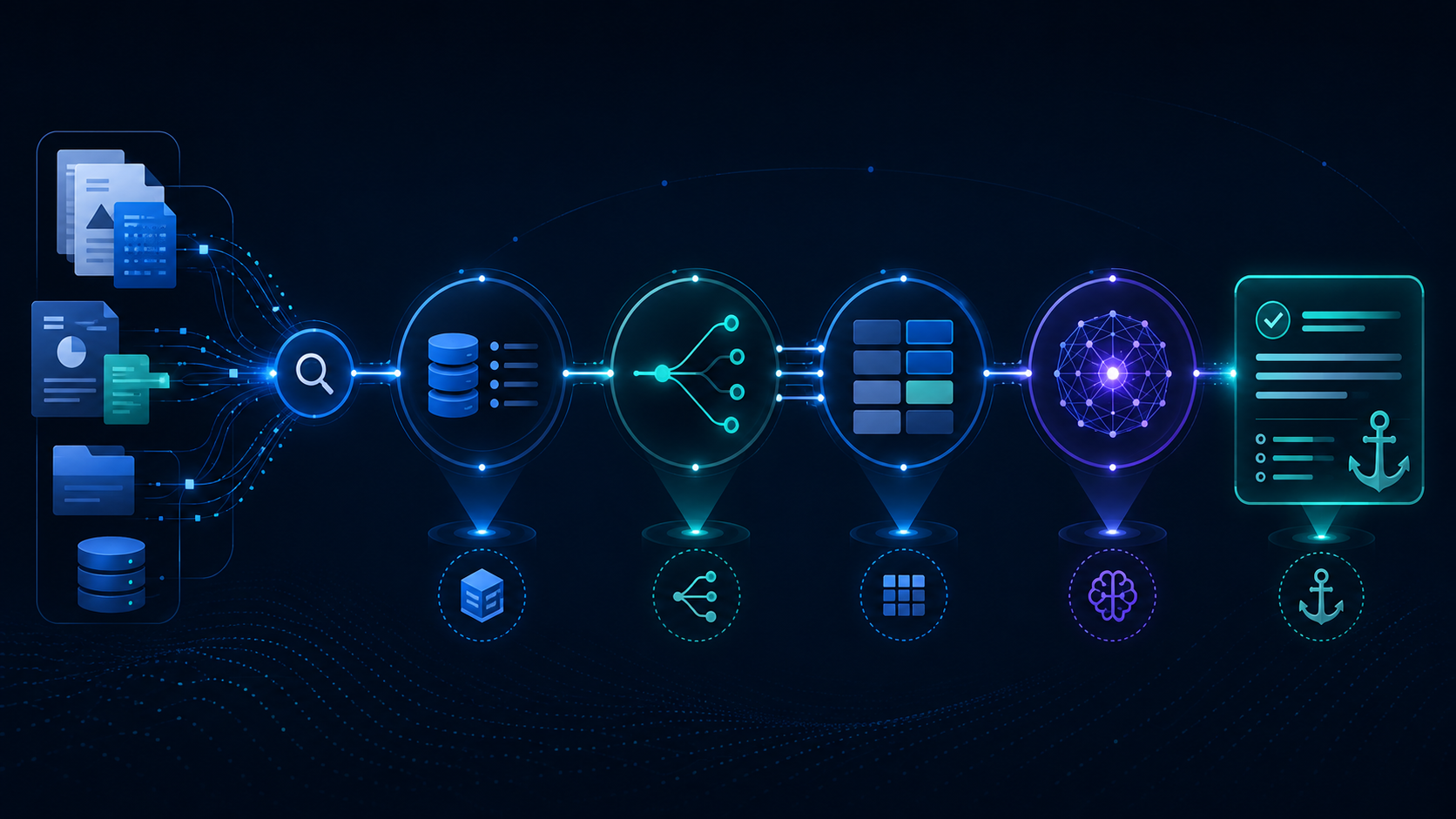
Most RAG systems split documents into fixed chunks and use vector similarity to retrieve context. PageIndex uses a hierarchical document tree and LLM reasoning instead. This article explains its architecture, quickstart, costs, and limits, and shows why it is not a universal replacement for vector databases.
RAG bottlenecks often appear in the retrieval layer rather than in the model. This article uses Milvus official architecture and quickstart material to explain vector search, metadata filtering, hybrid search, and a practical path from Milvus Lite to Docker and Kubernetes.
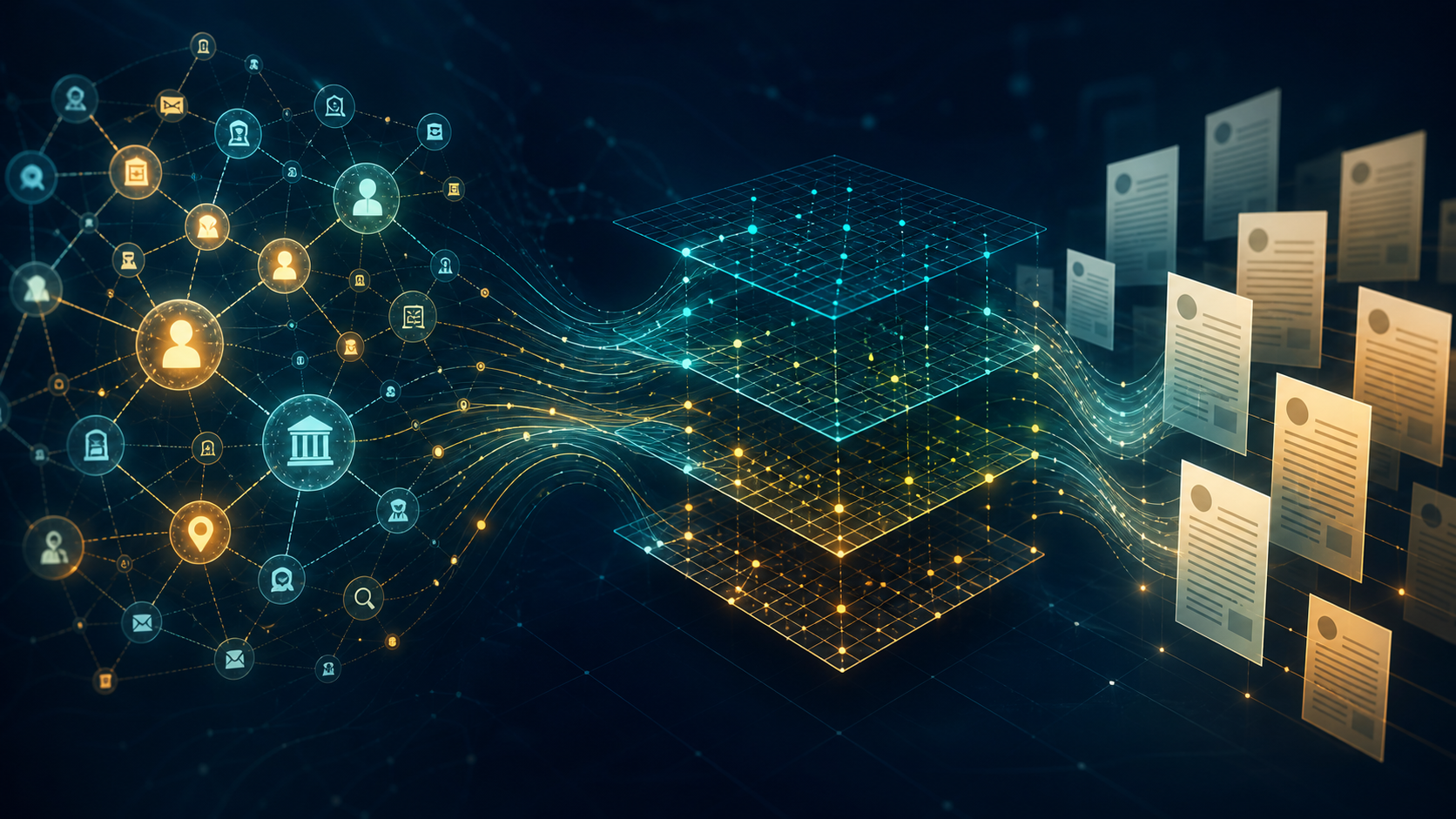
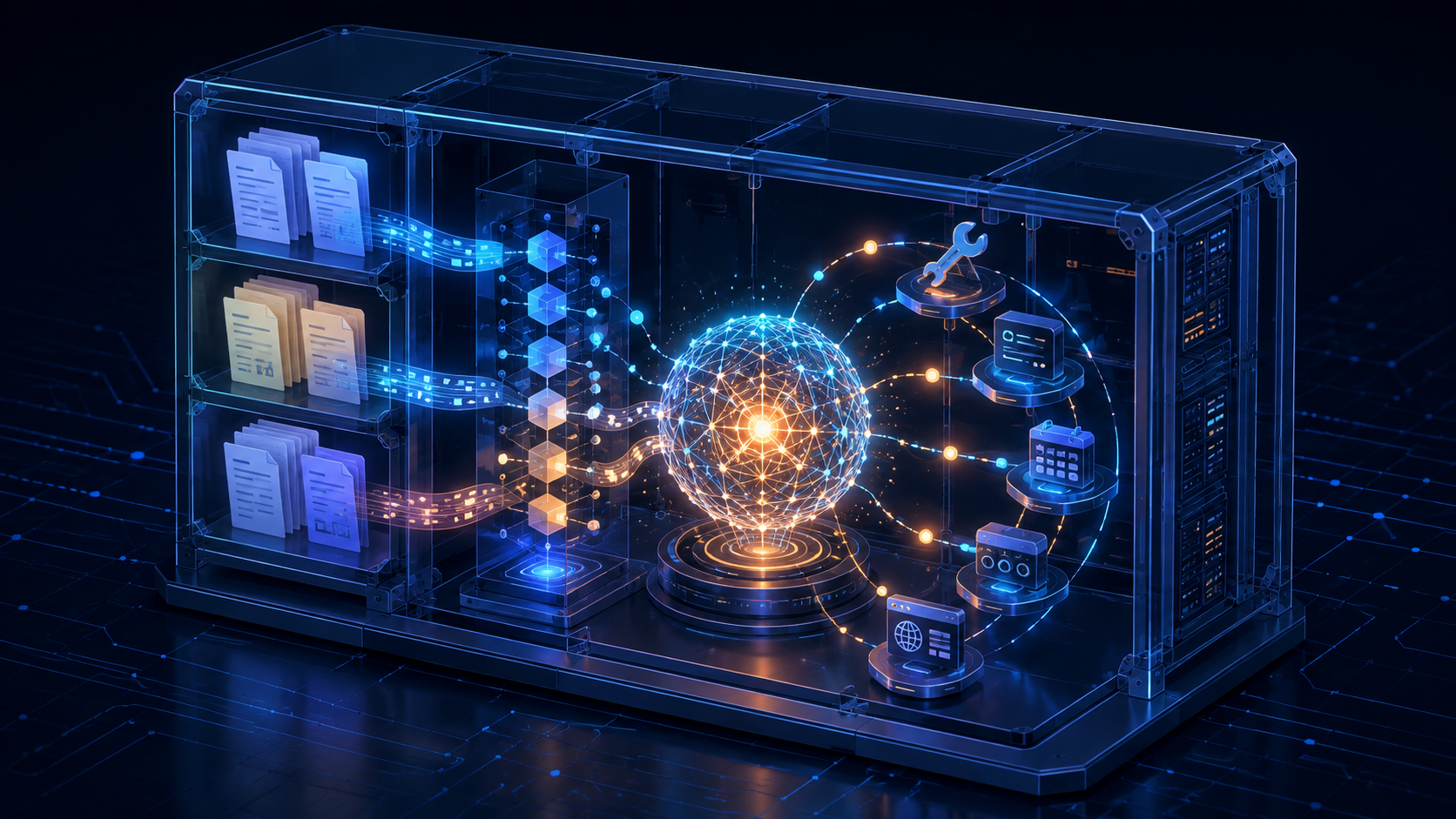
LightRAG combines knowledge graphs, vector embeddings, and multiple query modes in one RAG workflow. This practical guide covers its architecture, document pipeline, deployment security, and cost trade-offs.
Meilisearch brings full-text search, semantic search, hybrid search, and conversational search into one API-oriented search engine. This article covers Docker setup, the embedding pipeline, permissions, and evaluation practices for using it as a maintainable retrieval layer in AI applications.
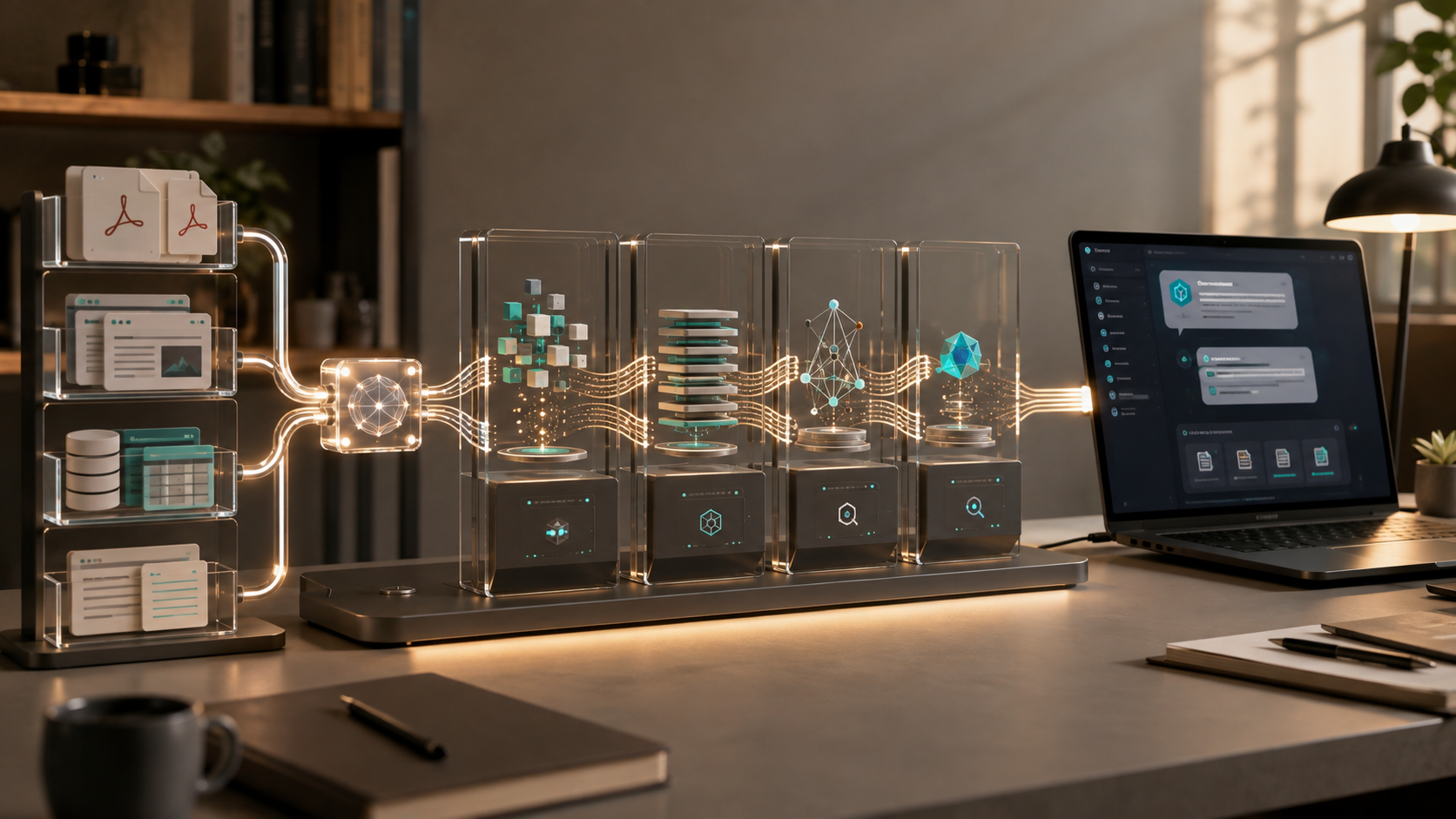
Many teams can call an LLM, yet still get stuck on document parsing, chunking, retrieval, citations, and agent workflows. This article explains how LlamaIndex connects private data to LLM applications, how to start with a verifiable document question-answering flow, and which production limits require careful evaluation.
An AI coding agent forgets when its context window resets, but project decisions and conversation details should not disappear with it. This walkthrough explains MemPalace's verbatim storage, layered retrieval, pluggable backends, MCP integration, and the operational pitfalls around versions, model downloads, permissions, and data boundaries.
Haystack 3.0 uses components and Pipelines to make RAG, agents, retrieval, tool calls, and generation composable and testable. This article explains the design from the official source code, builds a minimal RAG example, and discusses where the framework fits in production.
The hardest part of a RAG system is often not the first import into a vector database, but keeping answers aligned with changing data. Pathway combines stream processing, real time analytics, LLM pipelines, and RAG in a Python ETL framework so a knowledge pipeline can be updated as its sources change.
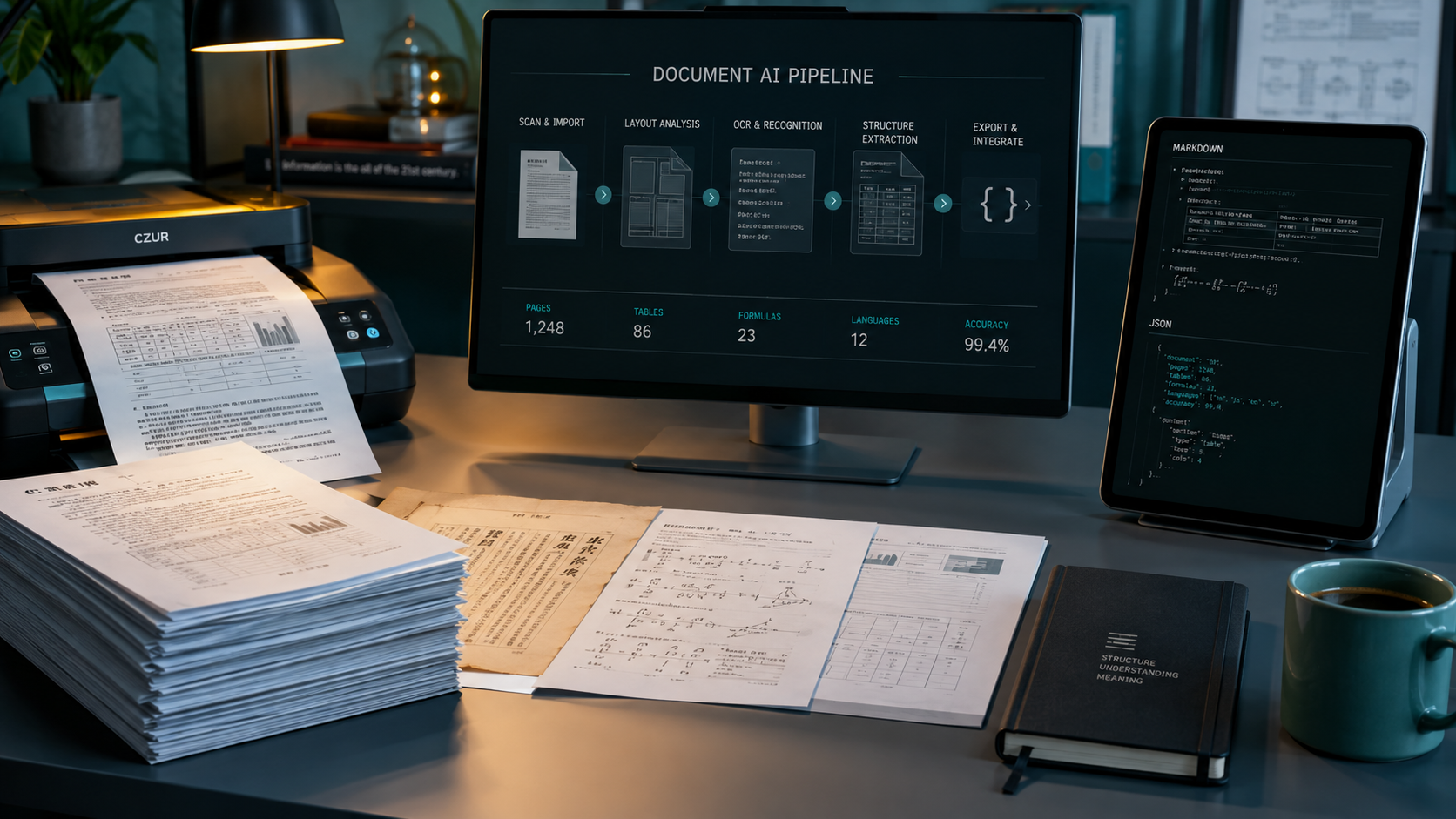
PaddleOCR does more than convert images to text. It turns PDFs and images with layouts, tables, formulas, and multilingual content into Markdown or JSON that RAG systems and agents can actually use. This article explains PP OCR, PP StructureV3, PaddleOCR VL, practical setup, and production limits.
AnythingLLM is an open-source, local-first AI workspace that brings document Q&A, RAG, AI Agents, multi-user permissions, and multiple model and vector-database options into one self-hosted application. This article examines its architecture, data flow, deployment choices, and privacy boundaries, with a focus on the teams it fits and the engineering details that are easiest to overlook during adoption.
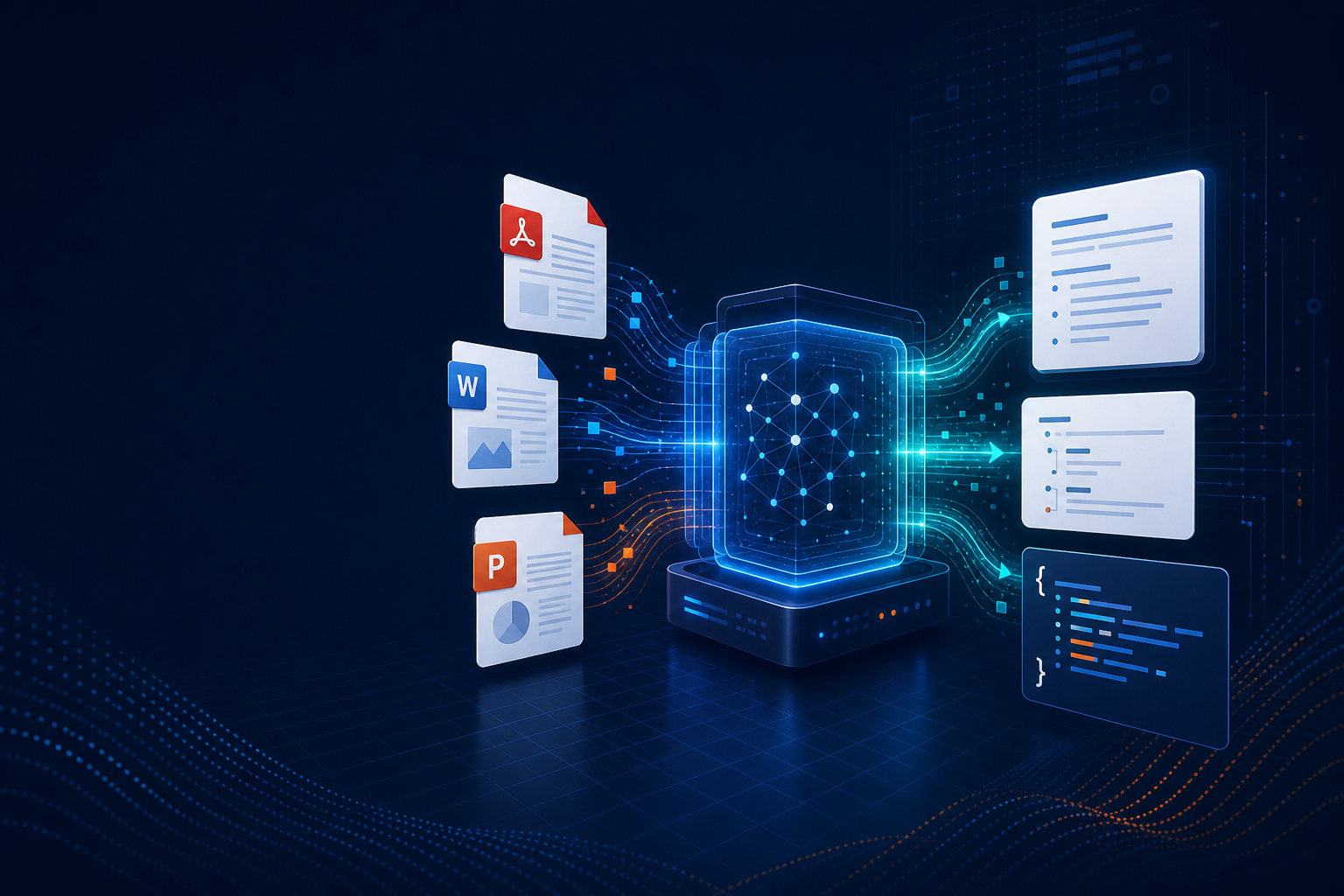
Before documents enter RAG or agent workflows, the difficult part is preserving layout, tables, formulas, and image context. MinerU parses PDF, image, DOCX, PPTX, and XLSX files into Markdown and JSON, with CLI, API, WebUI, and multi-service routing for document AI pipelines.
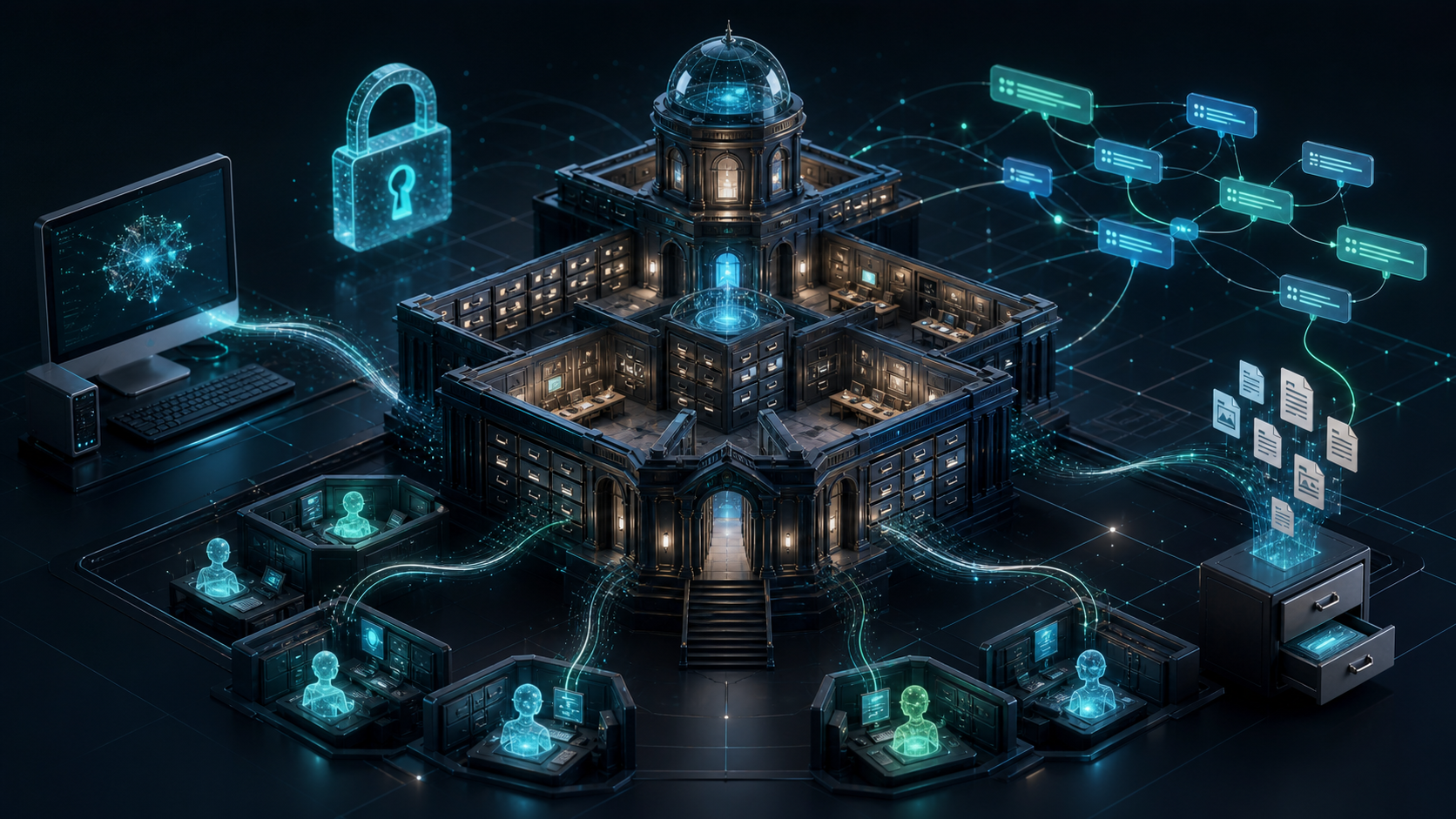
PrivateGPT 1.0 is not a model executor, but an API-first private AI application backend: connecting the local inference server with RAG, references, tools, MCP, database queries and front-end applications. This article dismantles its architecture, installation path, import sequence and security boundaries.
Dify allows non-technical personnel to create a complete AI Agent workflow by dragging components, from RAG retrieval, multi-step decision-making to API connection, all at once. This article takes you through Dify’s core architecture, practical steps, and how it changes the way enterprises introduce AI.